
Description
Custom Reverse Tuck Boxes for Retail and Product Packaging
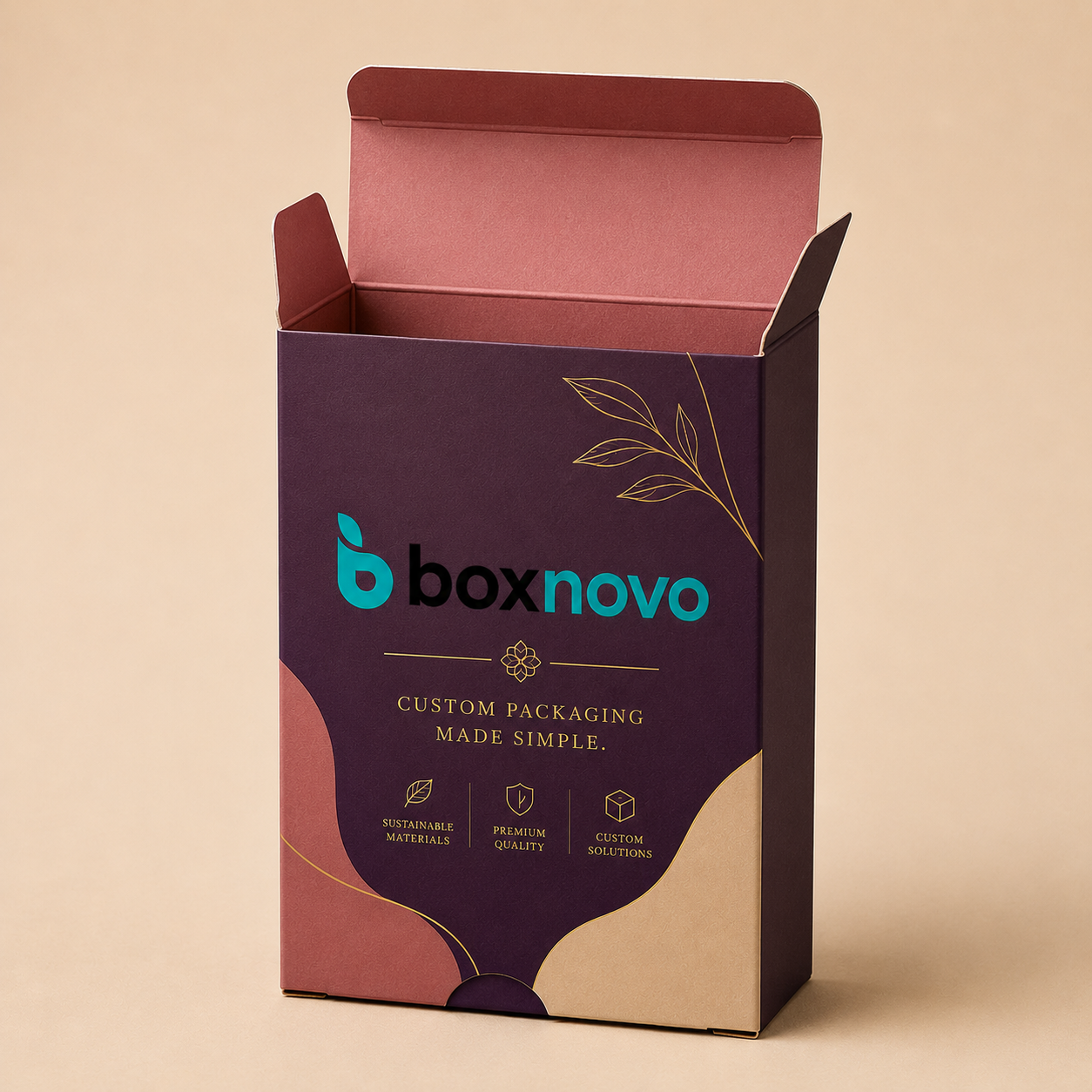
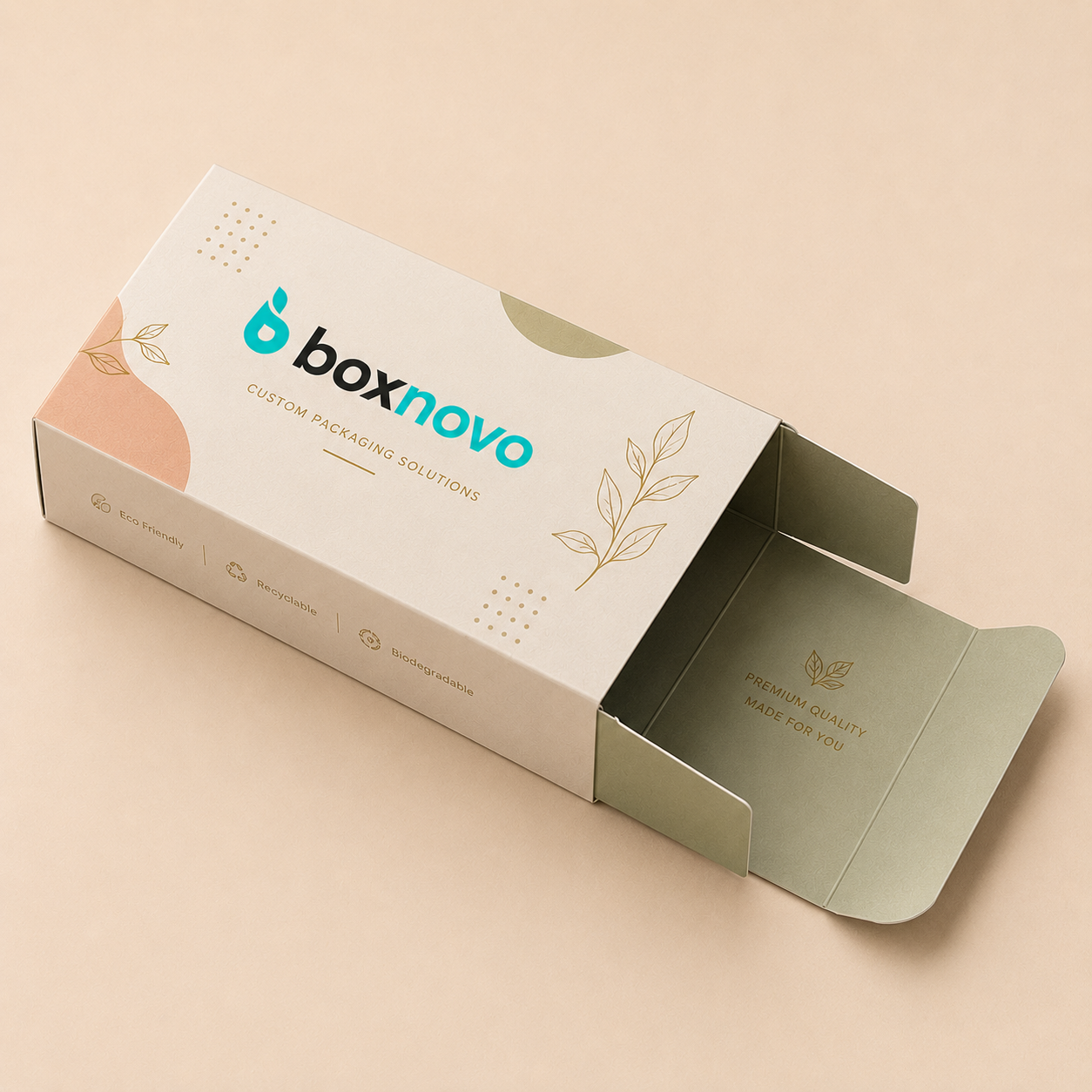
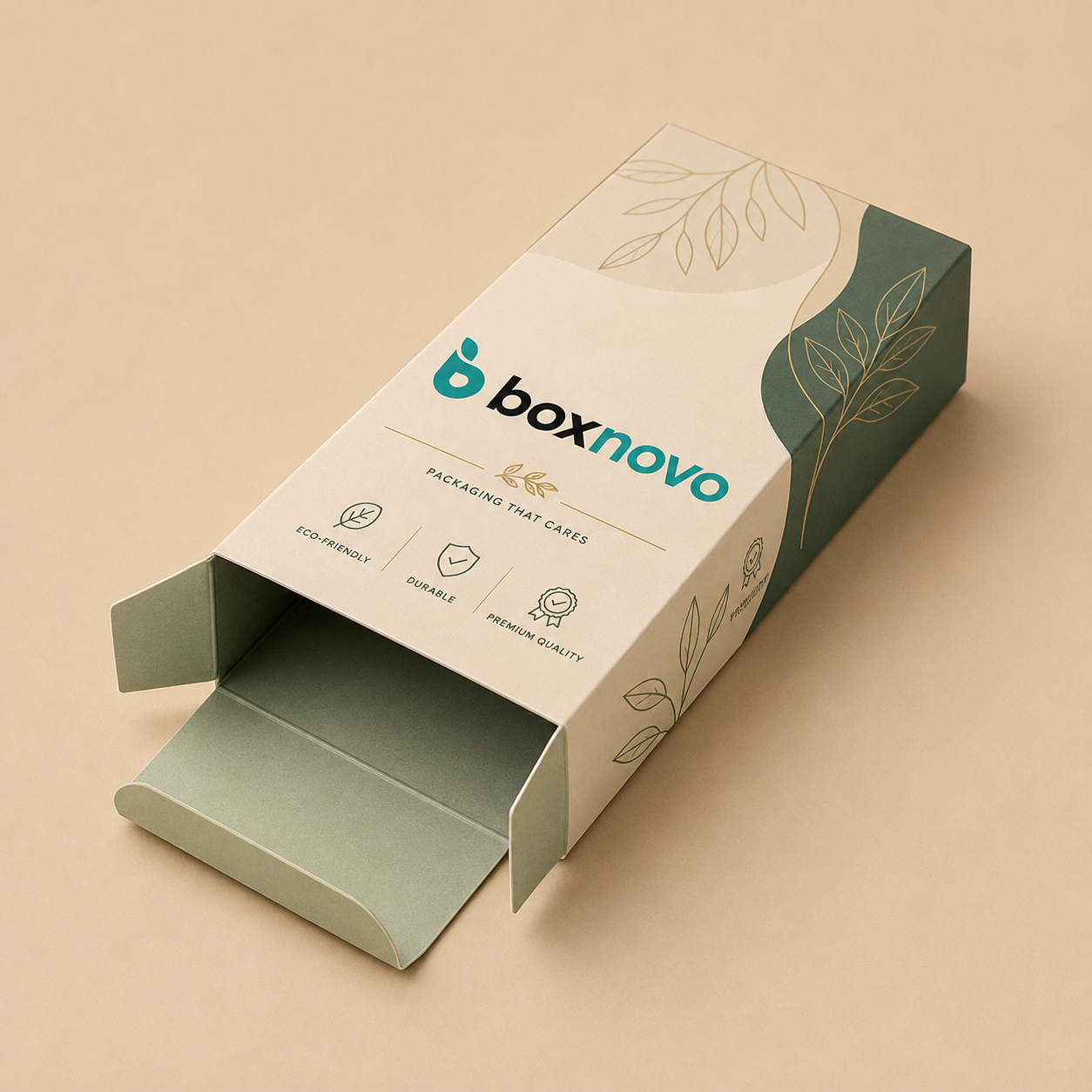
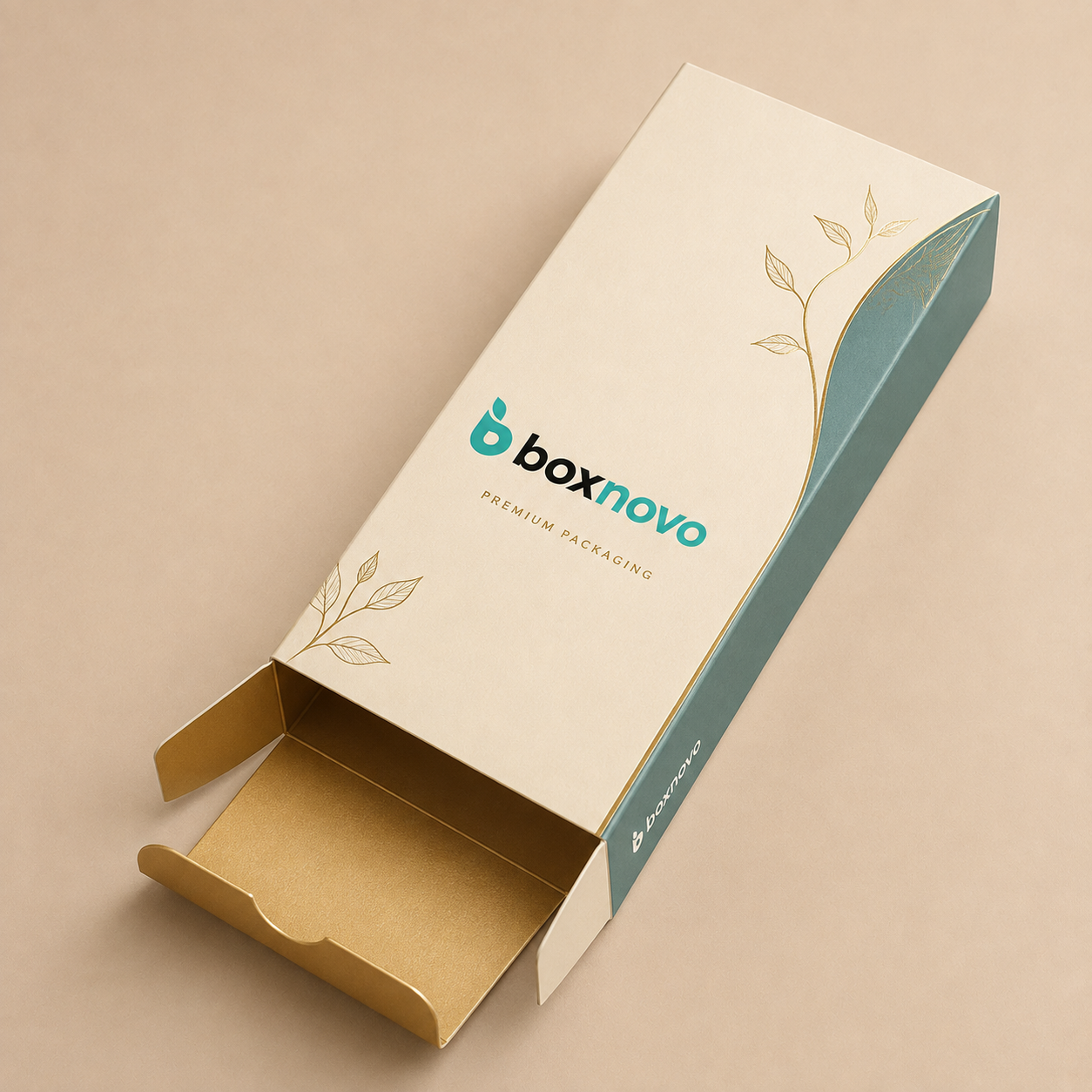
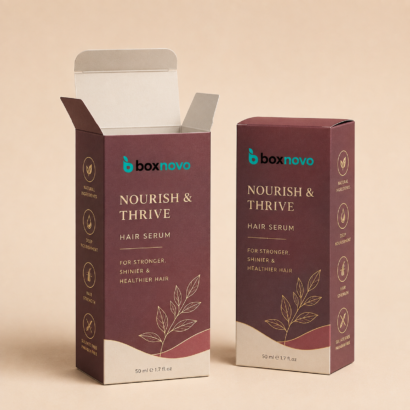
Custom reverse tuck boxes are printed folding cartons with a tuck flap at each end that closes in opposite directions: the top tucks from the rear to the front and the bottom tucks from the front to the rear. Also called reverse tuck end (RTE) boxes, they ship flat, fold up in seconds without tape or glue at packing time, and give you four full side panels plus two end panels for branding, product details and barcodes.
BoxNovo makes custom reverse tuck boxes to your exact size, board and artwork, for cosmetics, supplements, CBD, candles, tea, small electronics and other lightweight retail products. They are one of the most versatile styles in our retail packaging boxes range.
Reverse tuck box specifications
- Style: reverse tuck end (RTE) folding carton with dust flaps and a glued side seam
- Sizes: made to your length × width × height
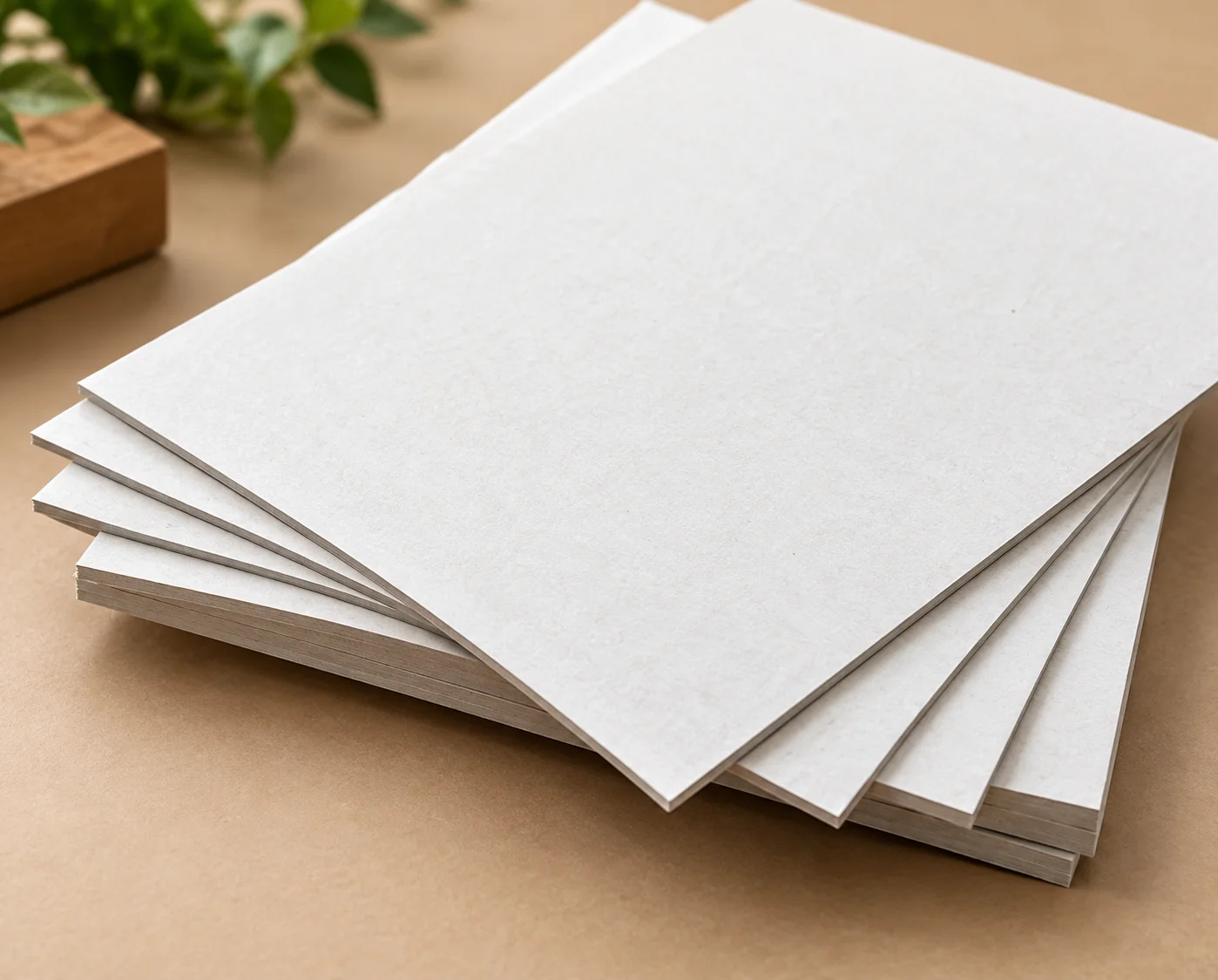
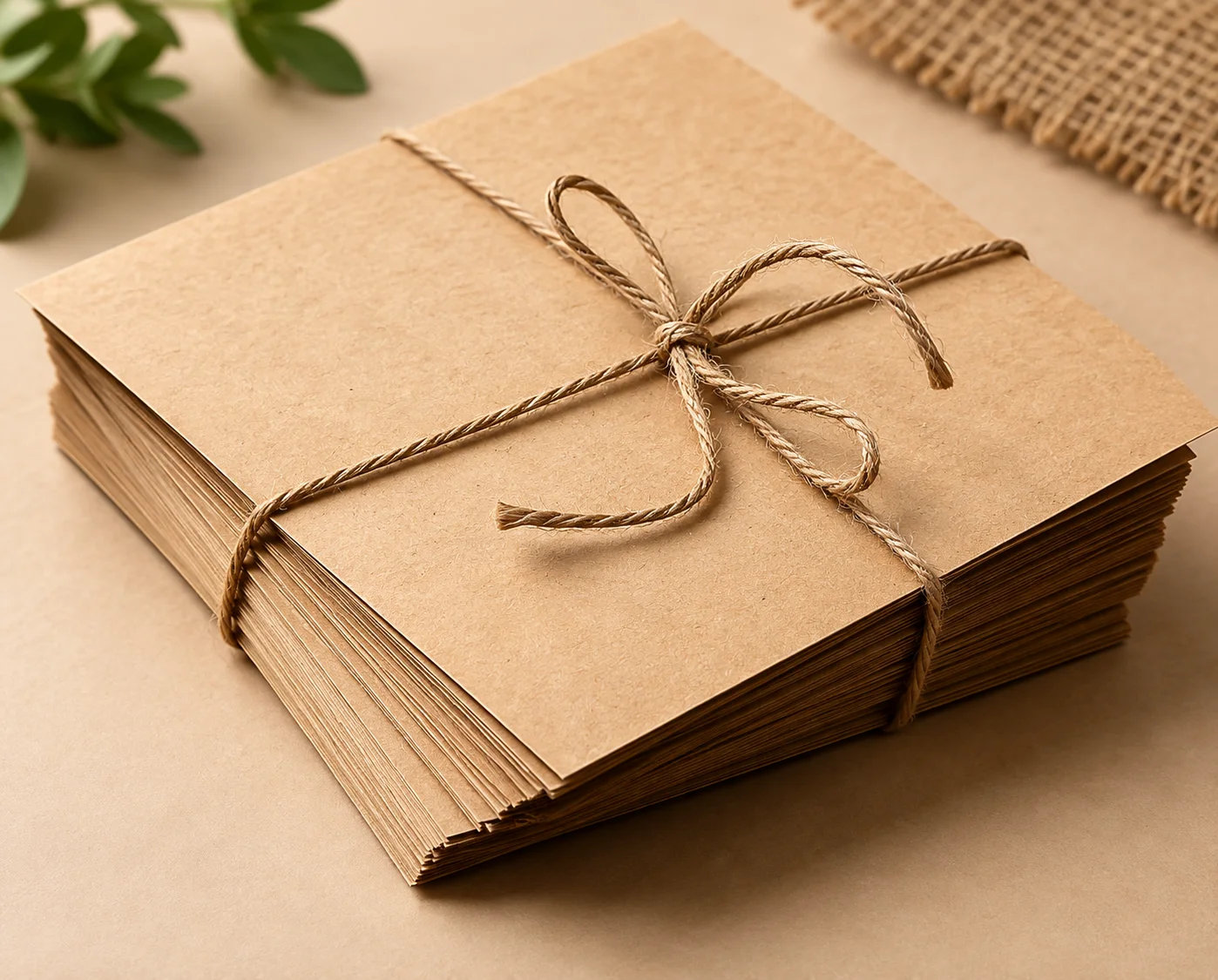
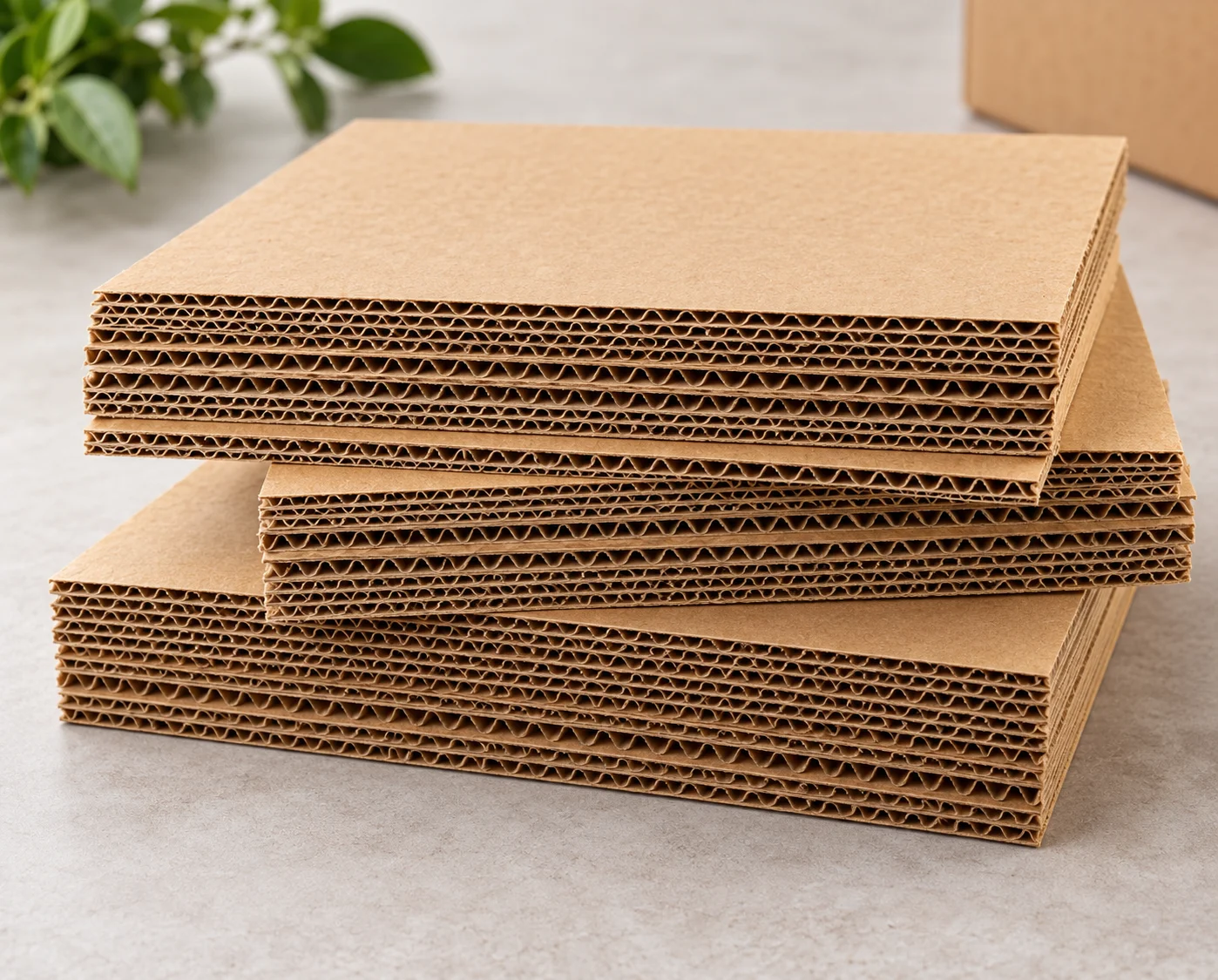
- Board: white SBS paperboard, recycled CRB board, kraft board or E-flute corrugated
- Thickness: commonly 14pt to 24pt (1pt = 0.001 in)
- Printing: full color CMYK, Pantone (PMS) colors, outside or inside
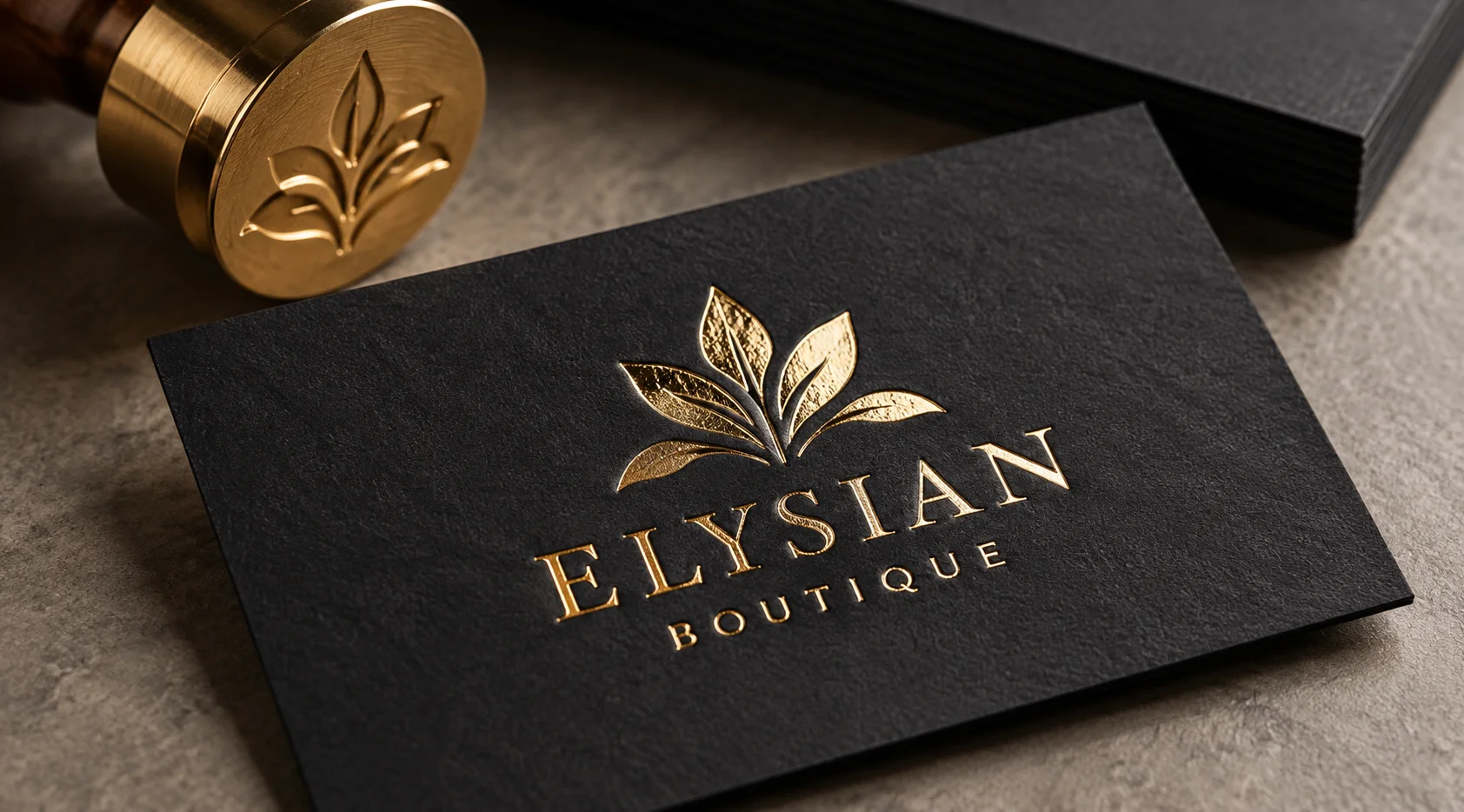
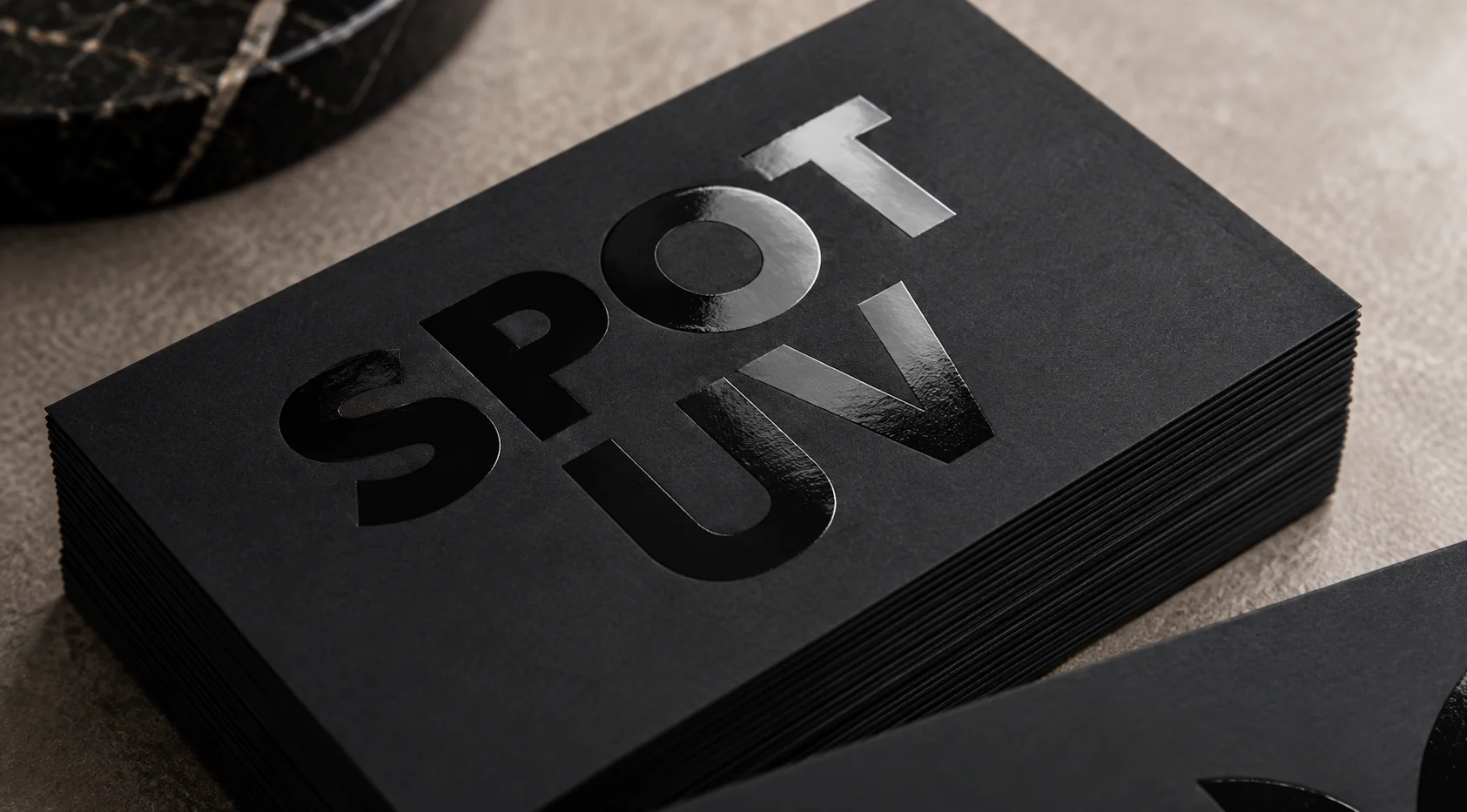
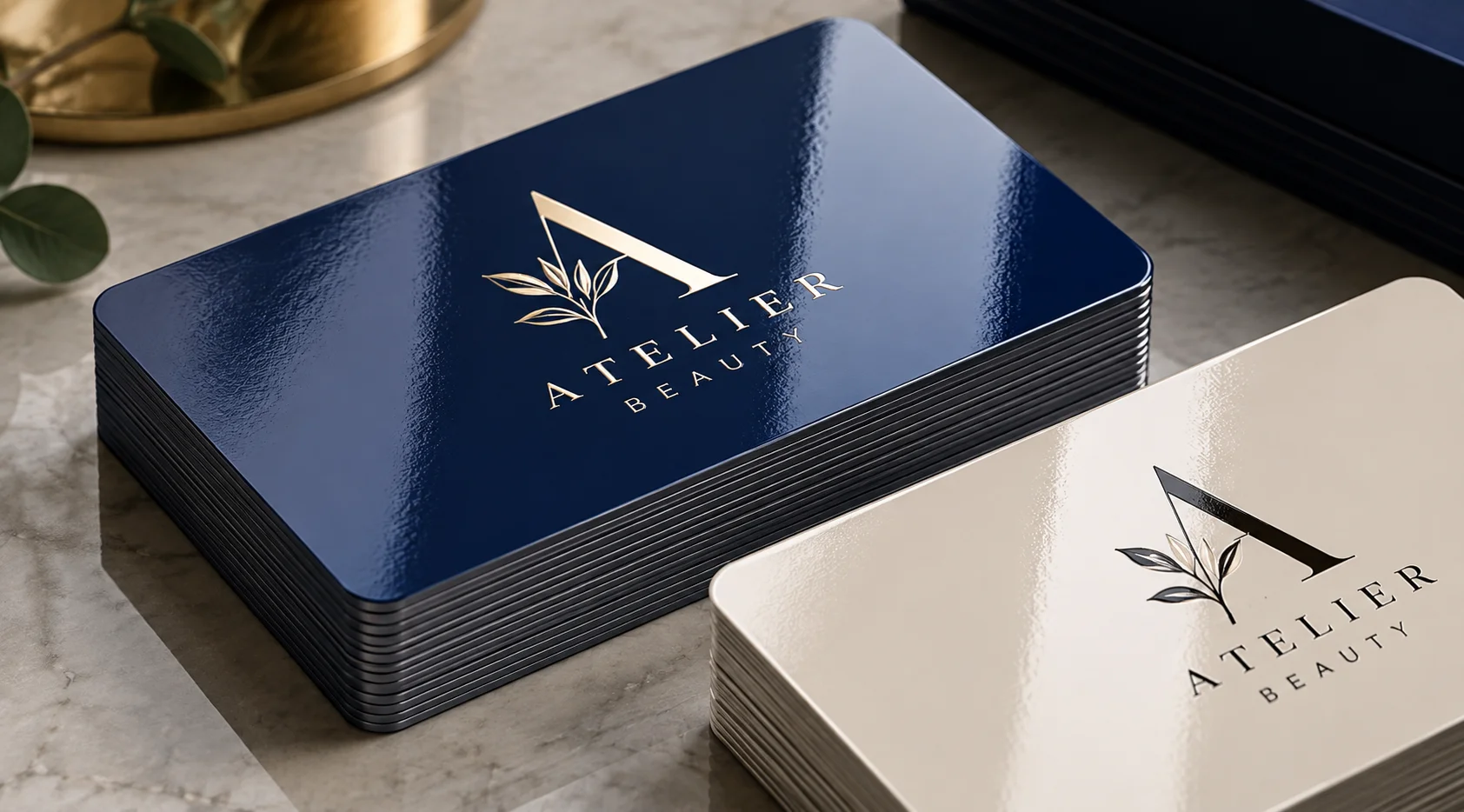
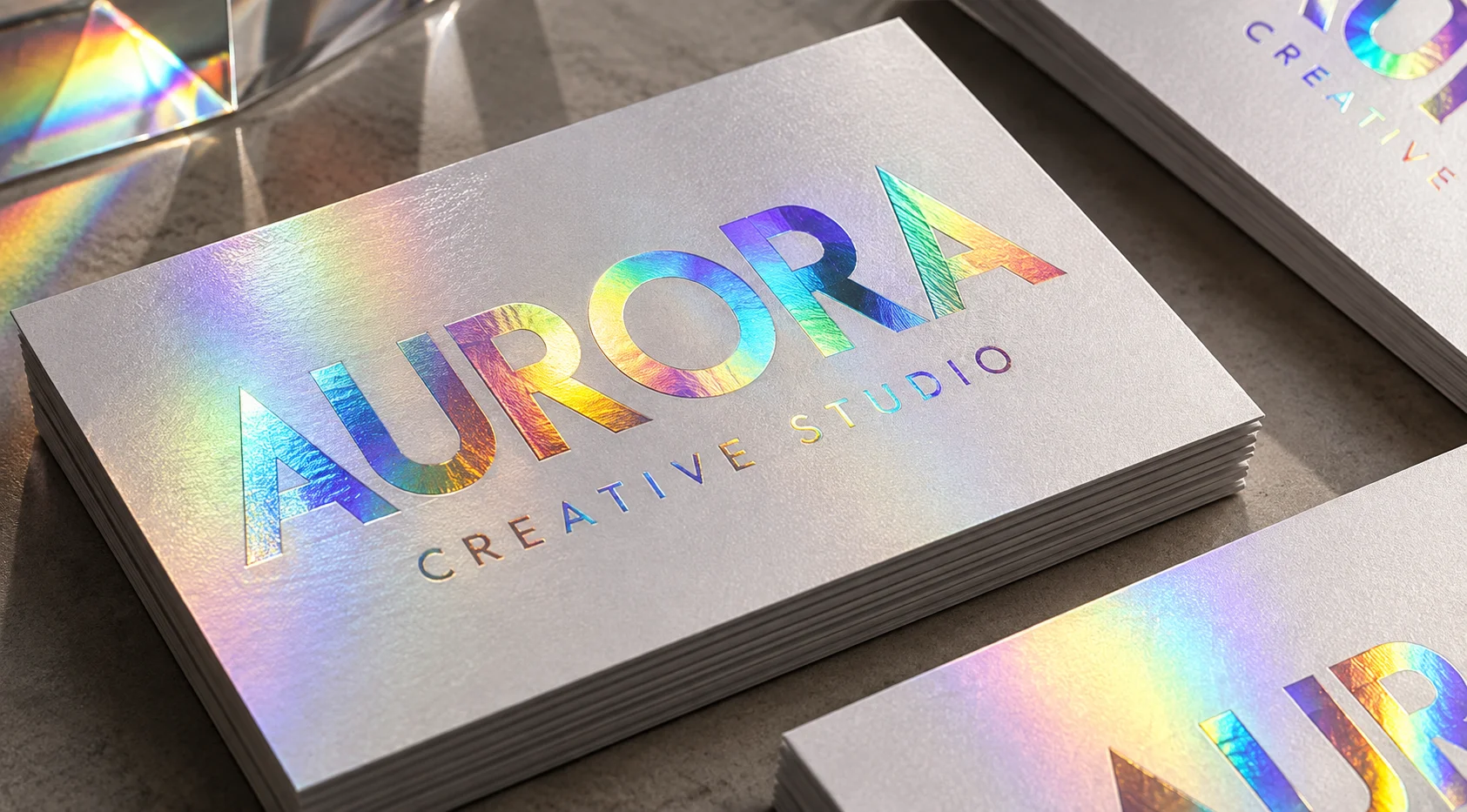
- Finishes: matte, gloss, soft touch lamination, spot UV, foil stamping, holographic foil, embossing, debossing
- Add-ons: window cut-outs, hang tabs, inserts, custom die-cut shapes
- Delivery: shipped flat to save storage and freight space
What Is a Reverse Tuck End Box?
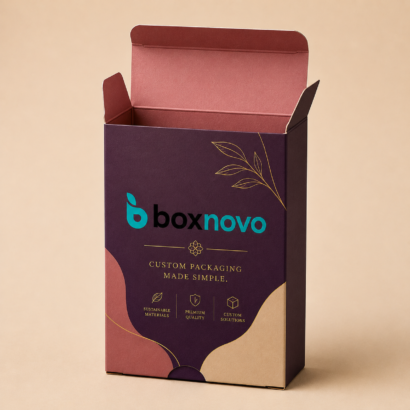
A reverse tuck end box is a rectangular paperboard carton made from one die-cut sheet. The sheet is printed, die-cut, scored, folded and glued along one side seam at the factory, then delivered flat. To use it, you push the sides square, close the bottom tuck flap, insert the product and close the top tuck flap. The tucks hold by friction, and small slit locks at the flap edges help them stay shut on the shelf.
Because the top and bottom flaps fold from opposite panels, the carton blanks nest closely together on a press sheet. Packaging buyers’ guides note that this lets the printer run more boxes per sheet than a straight tuck end layout, which lowers material use and cost per box. That is why reverse tuck end packaging is such a popular choice for small and medium retail cartons. To see how other closures and constructions compare, browse all box styles.
Parts of a Reverse Tuck Box
| Part | What It Does |
|---|---|
| Front and back panels | Main branding faces: logo, product name, imagery and key claims |
| Side panels | Ingredients, directions, barcodes, warnings and contact details |
| Top tuck flap | Closes from the rear to the front and opens for product access |
| Bottom tuck flap | Closes from the front to the rear to hold the product in the carton |
| Dust flaps | Fold in under each tuck flap to close the corners and keep dust out |
| Glue flap (side seam) | Glued at the factory so the box arrives ready to fold open |
Reverse Tuck vs Straight Tuck vs 1-2-3 Bottom Boxes
Choosing the right closure is the most important structural decision. Here is how custom reverse tuck boxes compare with the two closest box styles:
| Feature | Reverse Tuck End (RTE) | Straight Tuck End (STE) | Tuck Top, 1-2-3 Bottom |
|---|---|---|---|
| Flap direction | Top and bottom tuck in opposite directions | Top and bottom both tuck from front to back | Tuck top, interlocking snap-lock bottom |
| Cost per box | Lowest, as more blanks fit on each sheet | Higher, as fewer blanks fit on each sheet | Higher, with a slightly longer setup |
| Front appearance | A cut flap edge shows on the front at one end | Cleaner front with no flap edge showing | Clean front; bottom locks underneath |
| Front windows | Possible, best kept away from the flap edge | Best choice for large front windows | Possible |
| Product weight | Light products | Light products | Heavier products, as the bottom carries more weight |
| Best for | Cosmetics, supplements, CBD, tea, small retail goods | Premium retail and windowed boxes | Bottles, jars, candles and heavier items |
If you want a cleaner front face or a large front window, choose straight-tuck carton packaging. For glass jars, bottles and heavier products, 1-2-3 bottom folding cartons give a stronger base. If the carton must stay glued shut until the customer opens it, as with cereal and food cartons, choose seal end cartons.
Materials and Board Thickness
The board sets how your reverse tuck boxes look, feel and protect. Paperboard thickness in the US is measured in points, where 1pt equals 0.001 in, so 18pt board is 0.018 in thick. The higher the point number, the stiffer the box.
| Board | Look and Feel | Best For |
|---|---|---|
| SBS (solid bleached sulfate) paperboard | Bright white throughout with a smooth coated surface for sharp, vivid print | Cosmetics, skincare, supplements, pharmaceuticals, premium retail |
| CRB (coated recycled board) | Gray back with a white coated print side; high recycled content | Cost-effective retail cartons and eco-focused brands |
| Kraft paperboard | Natural brown, earthy and unbleached | Natural, organic and handmade products, soap, tea, candles |
| E-flute corrugated | Thin fluted board, thicker and stronger than paperboard | Heavier items and boxes that need extra crush resistance |
Choosing Board Thickness
| Thickness | Typical Products |
|---|---|
| 14pt | Very light items: lip balm, sachets, cards, small accessories |
| 16pt to 18pt | Most retail products: serums, creams, supplement bottles, tea |
| 20pt to 24pt | Larger or heavier cartons and premium boxes that need a stiffer feel |
For a deeper comparison of boards, see this guide to packaging material types, or compare our paperboard carton materials with natural kraft packaging. Need more strength for shipping? Pack your reverse tuck cartons inside printed mailer boxes for e-commerce orders.
Printing, Finishes and Add-Ons
Custom printed reverse tuck boxes can carry your full brand system on every panel, inside and out.
- Full color printing: CMYK for photos and gradients, Pantone (PMS) for exact brand colors.
- Inside printing: a pattern, message or instructions printed inside the box for a better unboxing.
- Coatings and laminations: matte for a modern look, gloss for vivid color, soft touch for a velvety premium feel.
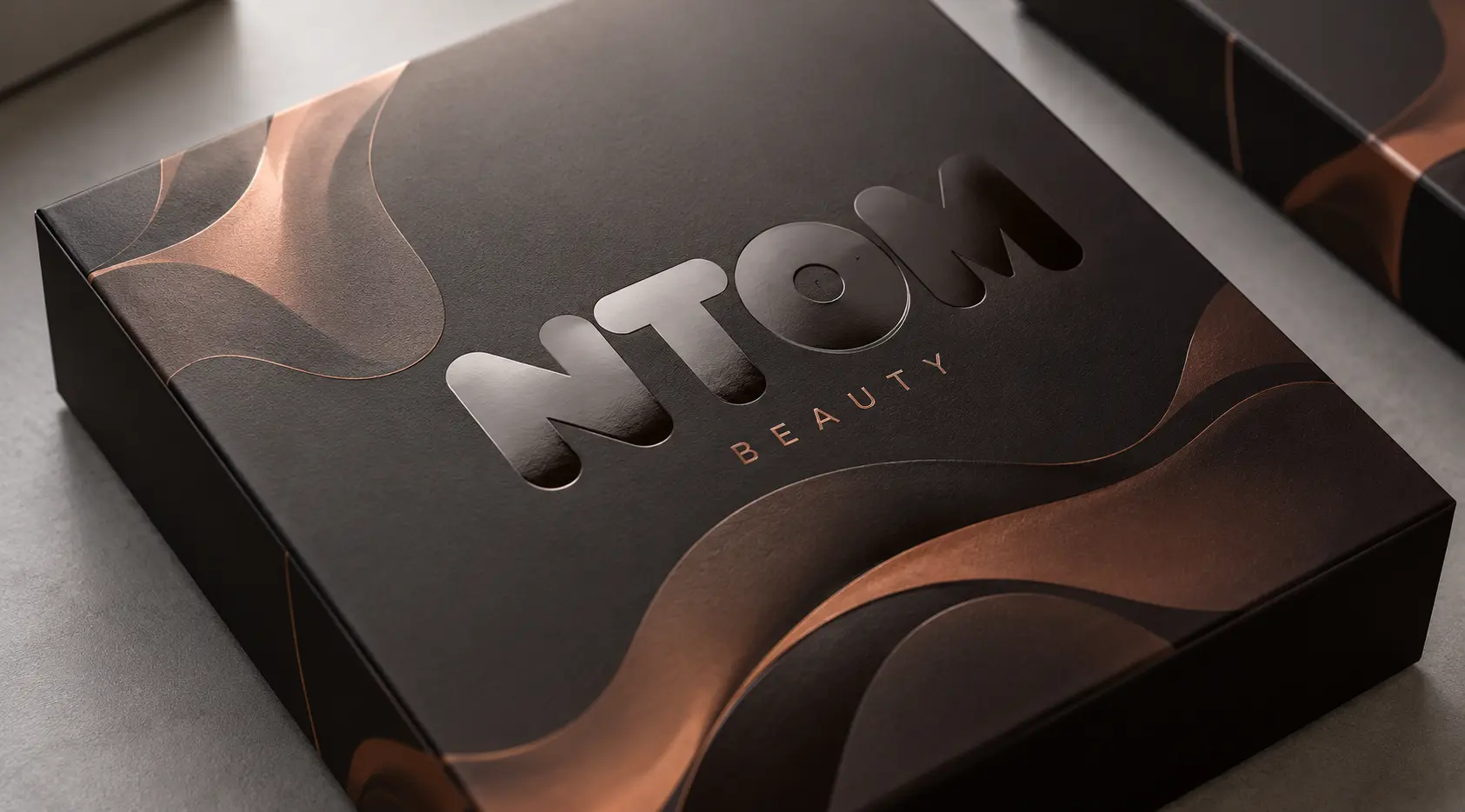
- Spot UV: a raised gloss layer on your logo or key details.
- Foil stamping: metallic gold, silver or holographic foil for logos and borders.
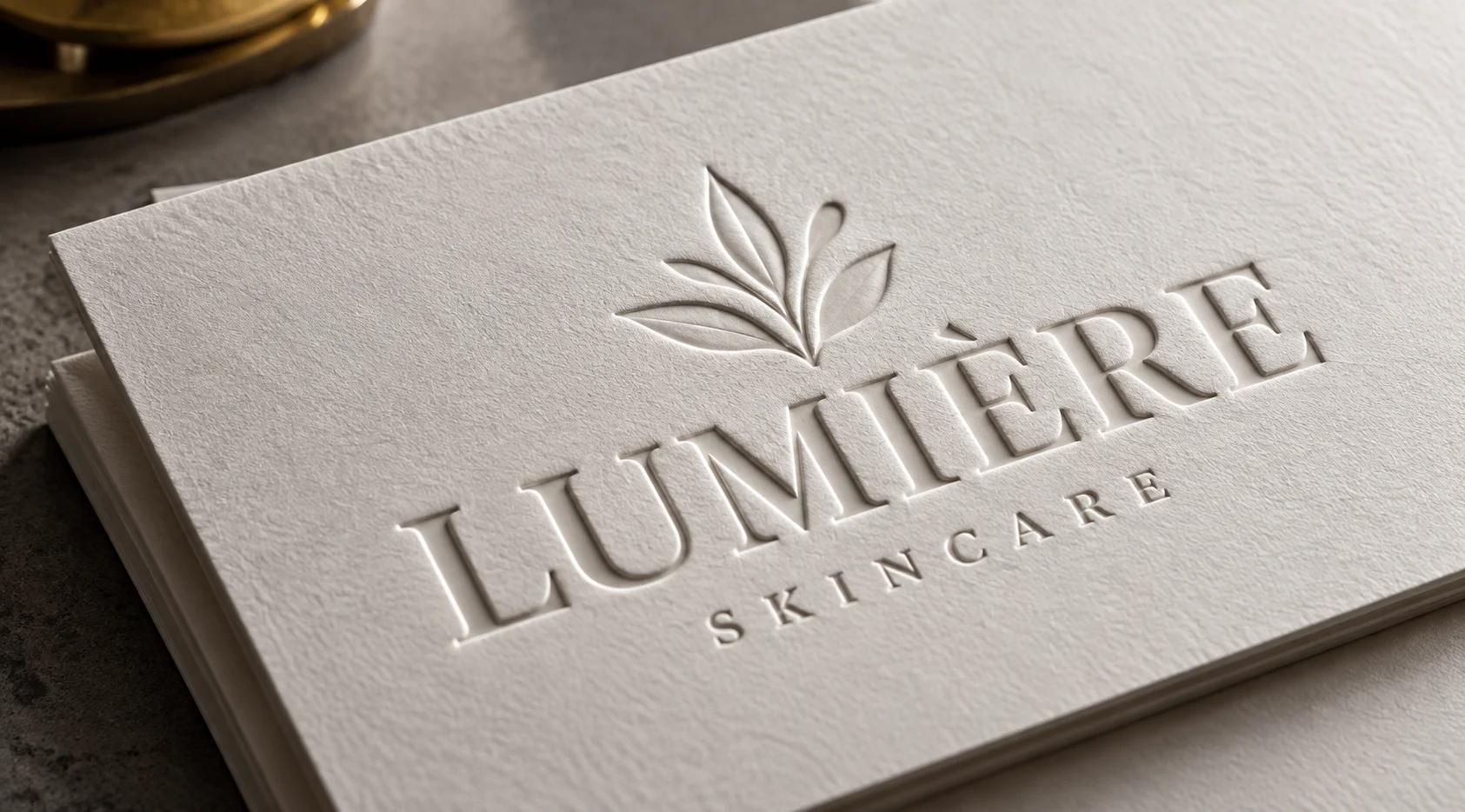
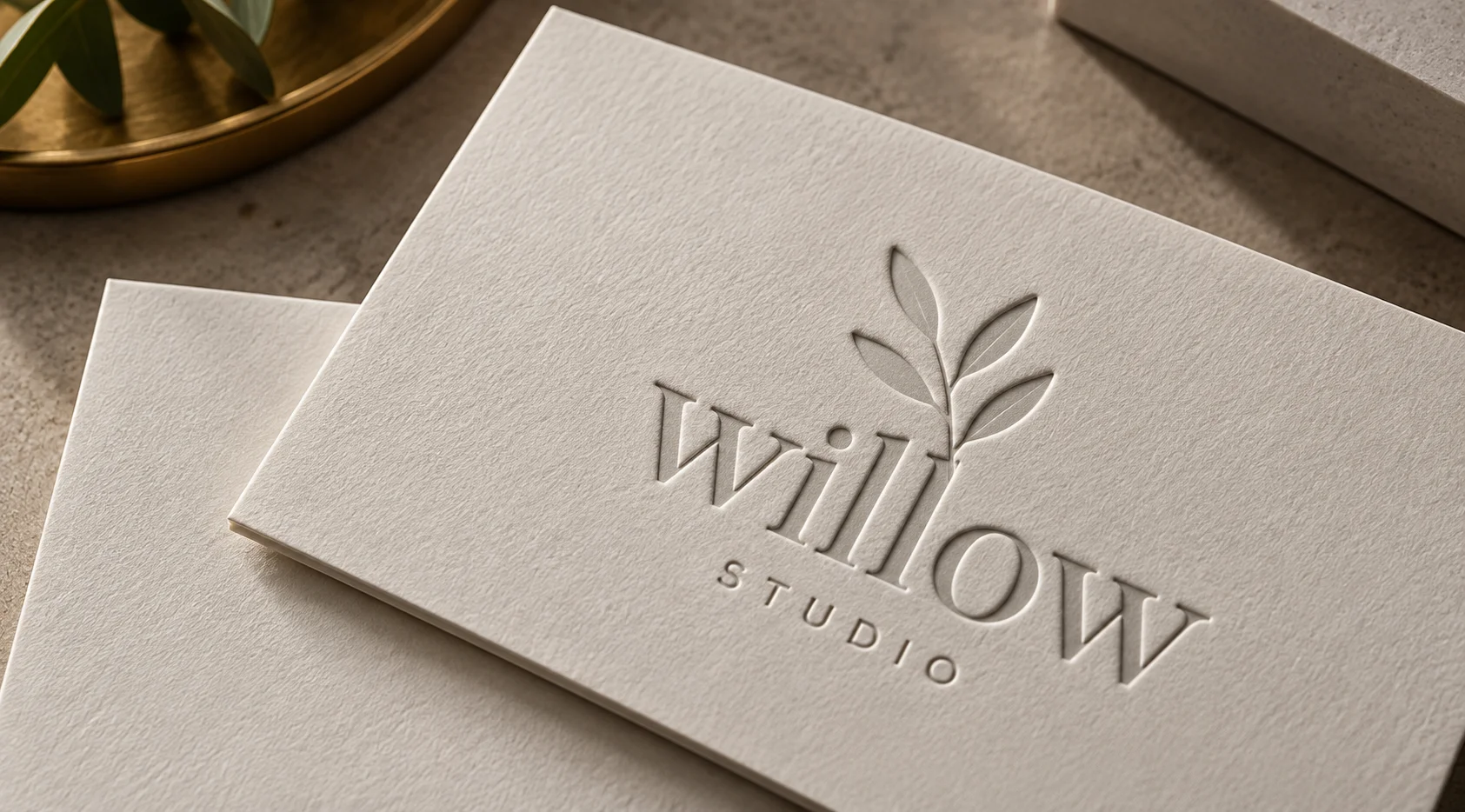
- Embossing and debossing: raised or pressed-in logos and patterns you can feel.
- Window cut-outs: show the product through a die-cut window, with or without clear film, as on our custom window boxes.
- Hang tabs: a die-cut tab on top so the box can hang on retail pegs, like these hanging retail boxes.
- Inserts: paperboard inserts hold bottles, jars and multi-item sets in place; see how box partition inserts work.
For shapes, cut-outs and openings beyond a standard carton, precision-cut folding packaging gives you more structural freedom.
How to Size Your Reverse Tuck Boxes
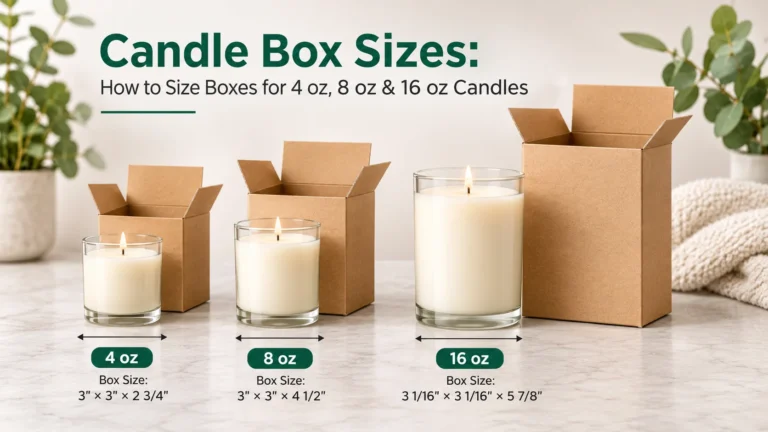
Folding cartons are measured as length × width × height (L × W × H). Length is the longer side of the opening, width is the shorter side of the opening, and height is the distance between the two tuck ends.
- Measure the product at its widest points, including caps, pumps or droppers.
- Add a small clearance so the product slides in and out without forcing the flaps.
- Allow for inserts if the product needs one, and add their thickness to the inside size.
- Check the shelf or display the box will sit on, especially the height.
- Order a sample and test the fit before full production.
This guide to choosing custom box dimensions explains inside and outside sizes, and the box size calculator helps you work out a starting size.
Products That Fit Reverse Tuck End Packaging
| Industry | Example Products | Recommended Setup |
|---|---|---|
| Cosmetic packaging boxes | Serums, creams, lipstick, mascara, perfume | SBS board, soft touch, foil logo, insert for bottles |
| Supplements and wellness (bottle packaging boxes) | Vitamin bottles, capsules, sachets | SBS board, side-panel facts and barcode, tamper seal |
| CBD and hemp | Tinctures, gummies, topicals | Insert for dropper bottles, space for required label details |
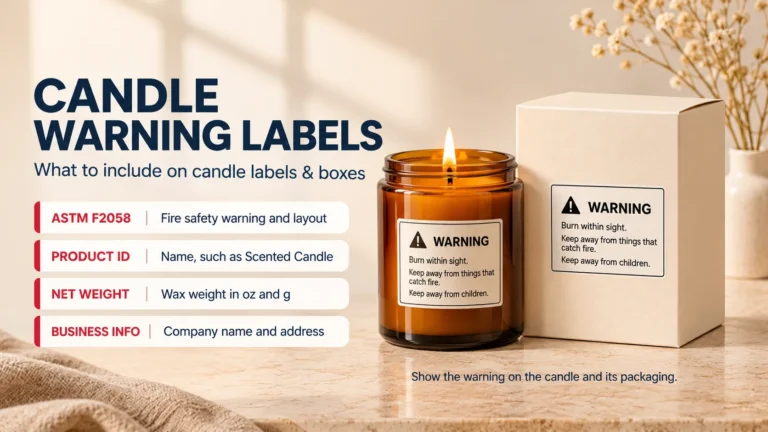
| Custom candle boxes | Small candles, wax melts, diffusers | Kraft or SBS board; 1-2-3 bottom for heavier glass |
| Food and beverage (printed tea boxes) | Tea, coffee sachets, chocolate, snacks | Kraft or CRB board, window to show the product |
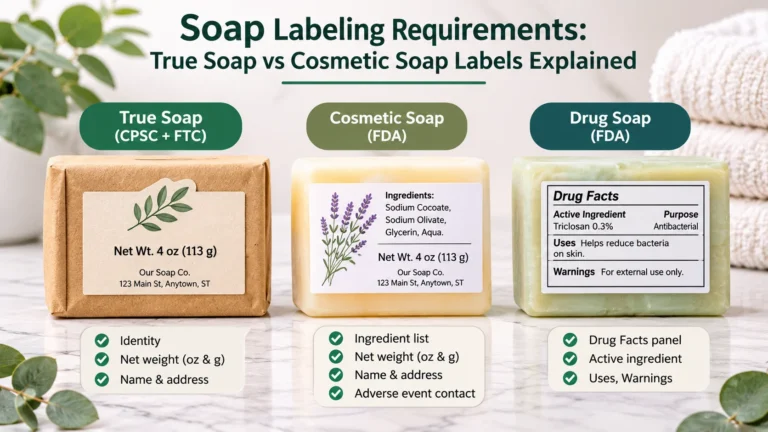
| Soap packaging boxes | Bar soap, bath bombs, bath salts | Kraft board, window or sleeve to show the product |
| Pharmacy and personal care | Over-the-counter products, oral care, first aid | SBS board, clear directions panel, tamper-evident seal |
| Electronics accessories | Chargers, cables, earbuds | 18pt to 24pt board, insert, hang tab for peg display |
| Toys, games and cards | Card decks, puzzles, small toys | Bright full color print, window for display |
Selling hemp or CBD products? See the full range of CBD packaging boxes. For other paperboard styles, browse all custom cardboard boxes.
Why Choose Custom Reverse Tuck Boxes?
- Cost-effective: the nested layout uses less board per box than a straight tuck end.
- Fast to pack: boxes arrive pre-glued and flat, and fold open by hand or on a packing line.
- Space-saving: flat boxes take up a fraction of the storage and freight space of assembled boxes.
- Easy to open and reclose: customers can open the top tuck, use the product and close it again.
- Plenty of print space: six panels for branding, product information, barcodes and compliance details.
- Retail-ready: stands upright on shelves and can hang from pegs with a hang tab.
- Recyclable board: paperboard cartons are widely recycled; kraft and recycled board support eco-friendly packaging options.
Tuck flaps can be opened and closed, so add a printed seal across the top flap when you need to show the box has not been opened. These tamper seal stickers ideas show how.
Artwork and Ordering Process
- Share your details: product size, quantity, board, finishes and any add-ons.
- Get a dieline: a flat template of your reverse tuck box with panels, folds and bleed marked.
- Prepare artwork: place artwork on the dieline in CMYK at 300 DPI, with bleed past every cut line. Check margins with this bleed and safe zone guide.
- Approve the proof: review the digital proof for text, colors and panel order.
- Production: printing, finishing, die-cutting, folding and side-seam gluing.
- Delivery: boxes arrive flat, ready to fold and fill.
New to box artwork? These steps for packaging design planning cover layout, branding and print-ready files, and the 3D packaging mockup generator lets you preview your design on a box before you order.
Frequently Asked Questions
What are custom reverse tuck boxes?
Printed paperboard folding cartons with tuck flaps at both ends that close in opposite directions, made to your size, board and artwork.
What is the difference between reverse tuck and straight tuck boxes?
On a reverse tuck box the top and bottom flaps tuck in opposite directions. On a straight tuck box both flaps tuck from front to back, which gives a cleaner front but uses more board per box.
Why are reverse tuck end boxes cheaper?
The opposite flaps let the flat blanks nest closer together on the printing sheet, so more boxes fit on each sheet with less waste.
Do reverse tuck boxes need glue or tape?
No glue or tape is needed when packing. The side seam is glued at the factory, and the tuck flaps close by friction.
How much weight can a reverse tuck box hold?
Reverse tuck boxes are designed for lightweight products. For heavier items such as glass jars, choose thicker board or a 1-2-3 bottom or auto-lock bottom.
What thickness should my reverse tuck boxes be?
14pt suits very light items, 16pt to 18pt suits most retail products, and 20pt to 24pt suits larger, heavier or premium boxes.
How do I measure a reverse tuck box?
As length × width × height: length and width are the sides of the opening, and height is the distance between the two tuck ends.
Can reverse tuck boxes have a window?
Yes. A die-cut window, with or without clear film, can be added. Keep it away from the tuck flap edge, or choose a straight tuck box for a large front window.
Are reverse tuck boxes eco-friendly?
Paperboard cartons are recyclable, and kraft or recycled CRB board lowers the environmental impact. Heavy laminations and foils can make recycling harder.
Can reverse tuck boxes be used for shipping?
They are retail cartons, not shipping boxes. For e-commerce, pack them inside a corrugated mailer or shipping box.
Can I print inside my reverse tuck boxes?
Yes. Inside printing adds a message, pattern or instructions that customers see when they open the box.
Are reverse tuck boxes tamper-evident?
Not on their own, because the tuck flaps can be reopened. Add a seal sticker or a tear strip when tamper evidence is needed.
Get a Quote for Custom Reverse Tuck Boxes
Tell us your product size, quantity, board and finishes, and BoxNovo will recommend the right reverse tuck end setup for your product and budget. For a quick budget figure, try the instant price estimate tool, then fill in the quote form on this page to get exact pricing for your custom reverse tuck boxes, from first runs to wholesale reverse tuck end boxes for growing brands.
Reviews
There are no reviews yet.