Quick answer: The best sticker material depends on where the sticker goes. Paper suits dry, indoor and short-life labels. White BOPP film suits product labels that meet water, oil or refrigeration. Vinyl suits outdoor and heavily handled stickers. Clear film gives a no-label look on glass and plastic. The adhesive and laminate matter as much as the face material.
Key facts at a glance
- Every sticker has layers: face material, adhesive and a release liner, often with a laminate or varnish on top
- Paper: lowest cost and writable, but absorbs water and oil
- BOPP film: about 2 mil thick, resists water, oil and condensation; the standard for jar, bottle and food labels
- Vinyl: thicker and more flexible; calendered vinyl is typically 3 to 6 mil and rated for 1 to 7 years outdoors, cast vinyl for 7 years or more
- Clear stickers: need a white ink layer behind colors that must stay bright or opaque
- Cold products: standard adhesives need applying at about 40 to 50 °F or warmer; all-temperature adhesives work down to about -20 °F
- Food packaging: label adhesives fall under FDA rules in 21 CFR 175.105, and labels applied directly to food under 21 CFR 175.125
In this guide
- What sticker material is made of
- Sticker material options compared
- Paper sticker materials
- Vinyl sticker material
- BOPP, PE and polyester films
- Clear sticker material
- Specialty sticker materials
- Sticker adhesives
- Laminates and finishes
- Food label material and jar labels
- SBS packaging material vs sticker material
- How to choose the right material
- Common mistakes
- Frequently asked questions
- Sources
What Is Sticker Material Made Of?
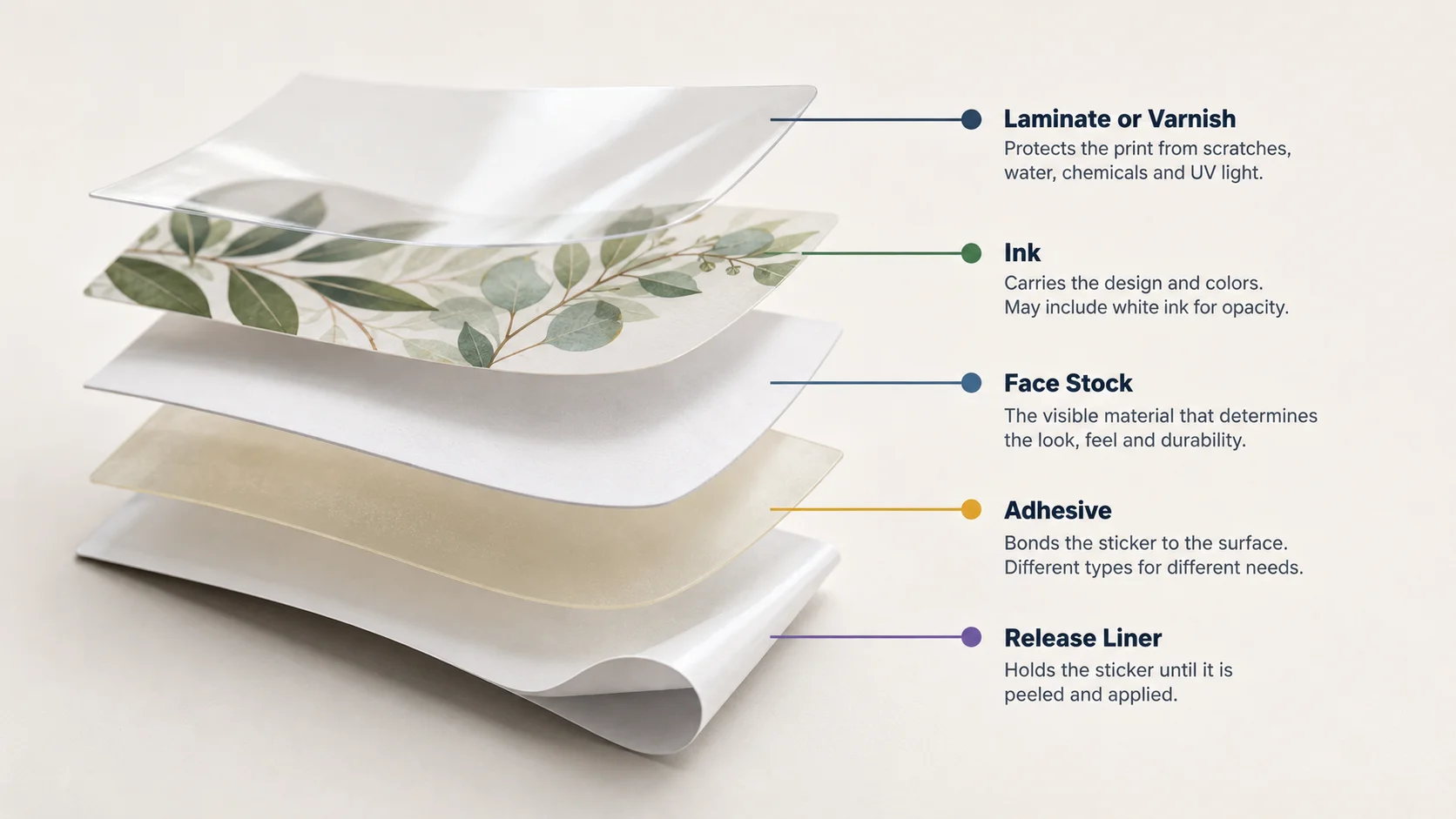
Sticker material is not one sheet but a layered construction. Each layer does a different job, and choosing a sticker means choosing all of them together.
| Layer | What It Does | Common Options |
|---|---|---|
| Laminate or varnish (optional) | Protects the print from scratches, water and UV light | Gloss, matte or soft-touch laminate; UV varnish |
| Ink | Carries the design | CMYK process color, spot colors, white ink |
| Face stock | The visible material that sets look, feel and durability | Paper, kraft, BOPP, PE, polyester, vinyl, specialty films |
| Adhesive | Bonds the sticker to the surface | Permanent, removable, repositionable, freezer, high-tack |
| Release liner | Carries the sticker until it is peeled and applied | Paper (kraft or glassine) or clear film liners |
Stickers and labels use the same materials. “Sticker” usually means a standalone design for laptops, packaging or giveaways, while “label” usually means product information on a jar, bottle or box. The material choices below apply to both.
Sticker Material Options Compared
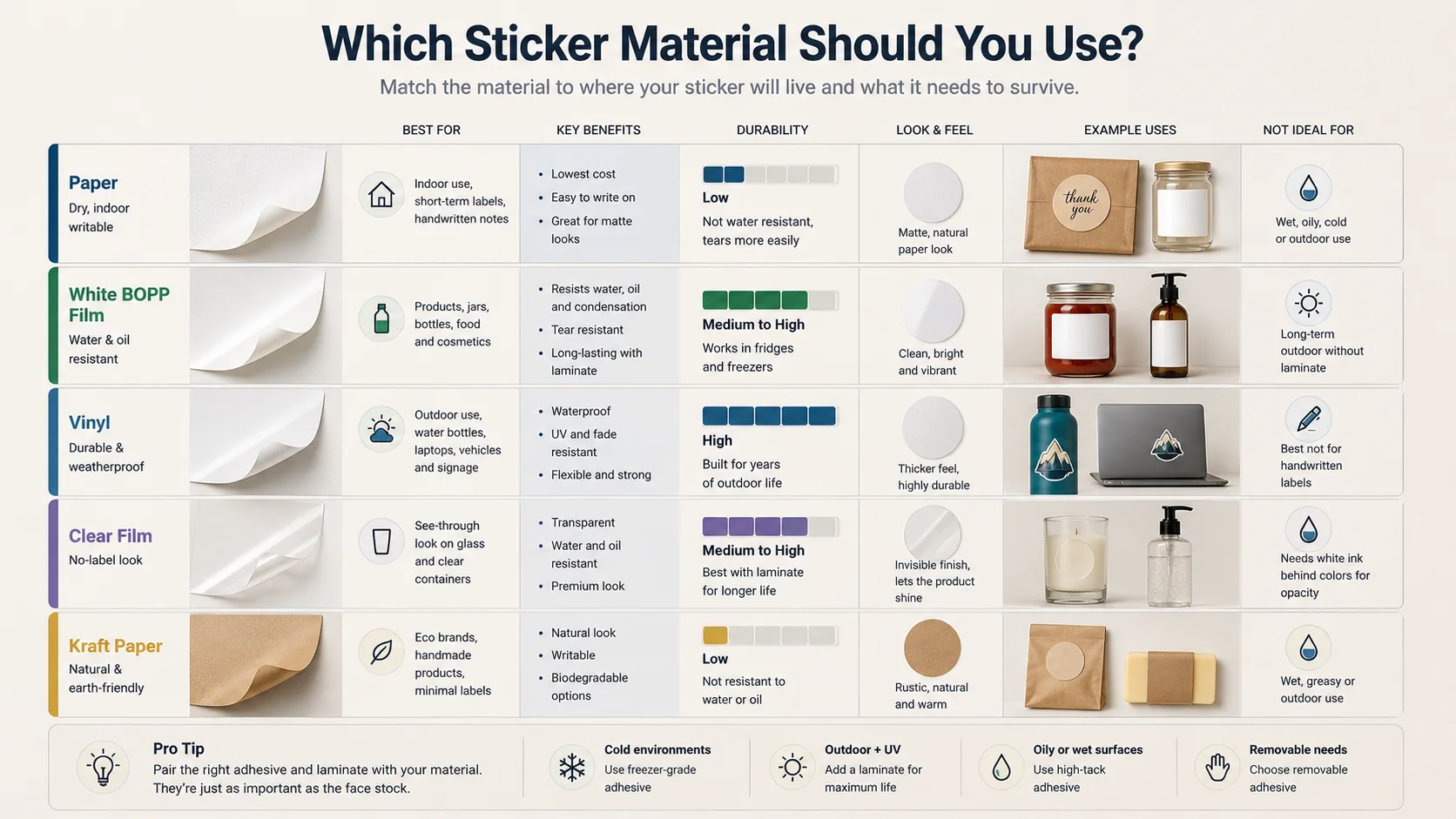
Use this table to narrow down your sticker material options before looking at each one in detail:
| Material | Water | Oil and Grease | Outdoor | Fridge and Freezer | Writable | Best For |
|---|---|---|---|---|---|---|
| Uncoated paper | Poor | Poor | No | No | Yes | Date labels, shipping, handwritten labels |
| Gloss or semi-gloss paper | Light splashes | Poor | No | No | Limited | Low-cost product and promo labels |
| Kraft paper | Poor | Poor | No | No | Yes | Natural, handmade and eco brands |
| White BOPP film | Good | Good | Short term, better with laminate | Yes, with the right adhesive | No | Jars, bottles, food and cosmetics |
| Clear BOPP or polyester | Good | Good | Short term | Yes, with the right adhesive | No | No-label look on glass and plastic |
| Vinyl | Very good | Good | Yes, for years | Yes | No | Outdoor, water bottles, laptops, decals |
| Polyester (PET) | Very good | Very good | Yes | Yes | No | Heat, chemicals, electronics, equipment |
Ratings are general guides based on printer and label-stock guidance in the Sources. Real performance depends on the exact stock, adhesive, laminate and surface, so test samples on your product.
Paper Sticker Materials
Paper is the most affordable sticker material and the easiest to write on. It is a good choice for dry, indoor and short-life uses, but water soaks into uncoated paper within seconds and oil leaves stains (4OVER4).
| Paper Type | Look and Feel | Best For |
|---|---|---|
| Uncoated (matte) paper | Natural, flat, takes pen and pencil | Date codes, price labels, handwritten labels |
| Semi-gloss paper | Smooth coated surface with sharper print | Shipping labels, general product labels |
| High-gloss paper | Shiny, vivid color; survives a wipe but not soaking | Promotional stickers, retail labels |
| Kraft paper | Brown, rustic, made with recycled fiber | Coffee, soap, candles, handmade goods |
| Textured or estate paper | Felt or linen texture, premium feel | Wine, spirits, gourmet foods, invitations |
- Kraft has one print limit: standard CMYK ink cannot print white on brown kraft, so white text and logos need white ink or a different stock.
- Protect paper with a laminate or varnish if it will be handled often or meet light moisture.
- Avoid paper on chilled, frozen, oily or outdoor products.
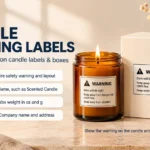
Paper labels are popular for candle label printing and soap bar labels, where products stay dry.
Vinyl Sticker Material
Vinyl (PVC film) is the classic material for durable stickers. It is thicker and more flexible than BOPP, bends around curves, and stands up to water, sunlight and handling. It is the usual choice for laptop stickers, water bottles, outdoor gear and decals.
| Feature | Calendered Vinyl | Cast Vinyl |
|---|---|---|
| Thickness | Thicker, typically 3 to 6 mil | Very thin and flexible |
| Outdoor durability | Usually rated 1 to 7 years | Many products rated 7 years or more |
| Curves | Flat surfaces and simple curves | Complex curves, such as vehicle wraps |
| Shrinkage | Shrinks more over time | More stable |
| Cost | Lower | Higher |
Durability ratings and thicknesses follow PRINTING United Alliance, which also advises matching the vinyl with the same type of laminate and almost never pairing a cast vinyl with a calendered laminate. Calendered sticker vinyl is commonly 3 to 4 mil thick (4OVER4), and a laminate adds scratch and UV protection.
BOPP, PE and Polyester Film Label Materials
Film labels are thin plastic face stocks made for product packaging. They resist moisture far better than paper and are the standard for jars, bottles, tubes and food packaging.
| Film | Key Properties | Best For |
|---|---|---|
| BOPP (biaxially oriented polypropylene) | About 2 mil; resists water, oil and condensation; white, clear or silver metallized | Food jars, sauces, beverages, cosmetics, supplements |
| PE (polyethylene) | Soft and squeezable; flexes with the container | Squeeze bottles and tubes: lotions, condiments, shampoo |
| Polyester (PET) | Stiff, very durable; resists heat and chemicals | Electronics, appliances, equipment, safety labels |
BOPP labels typically perform from about -20 °F to 200 °F, depending on the adhesive (LabelValue). BOPP wraps straight-sided bottles and jars well but can lift on compound curves, where vinyl or a conformable PE film works better. Squeezable labels were traditionally made from PE, and newer conformable BOPP films are now also used.
BOPP is the go-to material for custom bottle labels and water bottle labels, where condensation would ruin paper.
Clear Sticker Material
Clear sticker material is a transparent film, usually clear BOPP, clear polyester or clear vinyl, with a clear adhesive. Only the printed ink shows, so the container color or contents become part of the design. This is often called a “no-label look.”
| Clear Material | Strengths | Best For |
|---|---|---|
| Clear BOPP | Thin, moisture-resistant, cost-effective in rolls | Jars, beverages, candles, cosmetics |
| Clear polyester | Very clear and stiff, heat and chemical resistant | Premium bottles, electronics, glass |
| Clear vinyl | Thicker, flexible, outdoor durable | Windows, water bottles, outdoor decals |
Printing on Clear Stickers
- Add white ink: CMYK ink is translucent, so colors look faint on clear film and almost disappear on dark surfaces. A white ink layer printed behind the design keeps colors bright and opaque.
- Leave clear areas unprinted: only areas without white ink stay see-through.
- Think about the background: design for the container color and the product inside, not a white screen.
- Apply without bubbles: trapped air shows clearly on clear film, so apply from one edge with a squeegee.
White ink guidance follows 4OVER4 and LabelValue.
Specialty Sticker Materials
| Material | Effect | Best For |
|---|---|---|
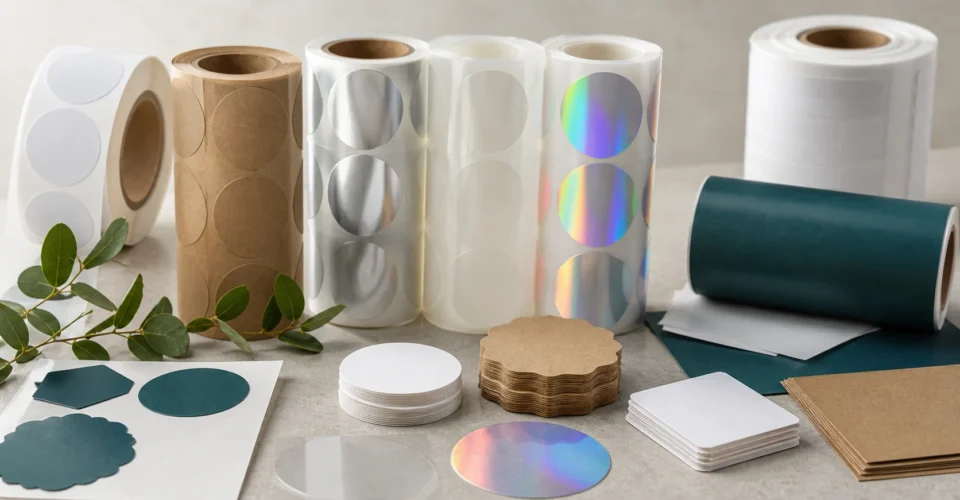
| Holographic | Rainbow colors that shift with the viewing angle | Brand stickers, cosmetics, security seals |
| Metallic (silver or gold) | Mirror-like shine, often metallized BOPP | Premium labels, spirits, beauty |
| Glitter | Sparkle built into the film | Gifts, kids’ products, events |
| Fluorescent | Neon colors for high visibility | Sale tags, warnings, warehouse labels |
| Reflective | Reflects light back at night | Bikes, helmets, safety stickers |
| Static cling | No adhesive; clings to smooth glass and removes cleanly | Window decals, seasonal signs |
| Removable (low-tack) vinyl | Peels off without leaving residue | Temporary promotions, walls, devices |
For ideas on using these finishes to seal and brand boxes, see these sticker packaging ideas.
Sticker Adhesives: The Other Half of the Material
The wrong adhesive makes even the best face stock fail. Match the adhesive to the surface, the temperature and how long the sticker needs to stay on.
| Adhesive | How It Behaves | Best For |
|---|---|---|
| Permanent | Bonds strongly and tears or leaves residue if removed | Most product labels and stickers |
| Removable | Peels off cleanly for a period of time | Price tags, promotions, reusable items |
| Repositionable | Can be lifted and placed again during application | Walls, sheets, hand application |
| High-tack (aggressive) | Grabs rough, textured or low-energy plastic surfaces | Kraft bags, textured boxes, some plastics, outdoors |
| Freezer or all-temperature | Stays tacky in cold and through condensation | Frozen and refrigerated food |
| Wash-off | Releases in a hot, mildly caustic wash | Returnable glass and PET bottles |
- Application temperature: most label adhesives need applying at about 40 to 50 °F or warmer; cold or all-temperature adhesives can be applied down to about -20 °F (Consolidated Label).
- Service temperature: once applied, most pressure-sensitive adhesives perform from about -65 °F to 200 °F on paper and up to 300 °F on film stocks.
- Freezer example: one 3M freezer-grade white polypropylene label stock is 2.3 mil thick, can be applied as low as 0 °F and is rated for long-term use from -40 °F to 140 °F (3M).
- Wash-off: wash-off adhesives release in water at about 65 to 80 °C with a 1 to 2% caustic soda solution, which is how returnable bottles are cleaned (Weber Marking).
Need a sticker that comes off later? This guide to removing stickers cleanly explains what helps permanent adhesives release.
Laminates and Finishes
| Finish | Look | Protection |
|---|---|---|
| Gloss laminate | Shiny, vivid colors | Water, scratches and UV fading |
| Matte laminate | Soft, low glare, modern | Water, scratches and UV fading |
| Soft-touch laminate | Velvety feel | Scuffs; premium hand feel |
| UV or aqueous varnish | Gloss or matte coating, thinner than a laminate | Light moisture and handling |
| No coating | Natural surface | Little; needed when labels must be written on |
Laminates add durability but stop pens from writing on the label, so leave uncoated paper or a writable panel if you need handwritten dates or batch numbers.
Food Label Material: What Works on Food Packaging
Food label material must survive the product’s real conditions (oil, moisture, cold and handling) and meet food-contact rules where the label touches food.
| Food Situation | Recommended Material | Adhesive |
|---|---|---|
| Dry goods: coffee, tea, baked goods, spices | Paper, kraft or BOPP | Permanent |
| Oily foods: nut butters, chili oil, sauces | White BOPP, ideally laminated | Permanent |
| Refrigerated: drinks, dips, dairy, meal prep | BOPP or other film | All-temperature, applied before chilling |
| Frozen foods | Freezer-grade white polypropylene | Freezer or all-temperature |
| Labels placed directly on food, such as produce stickers | Film with a food-contact adhesive | Adhesive that complies with 21 CFR 175.125 |
FDA Rules for Label Adhesives
- Labels on food packaging: adhesives used in packaging food are covered by 21 CFR 175.105. The adhesive must be separated from the food by a functional barrier, or stay within limits such as trace amounts at seams and edges (21 CFR Part 175).
- Labels touching food: pressure-sensitive adhesives used as the food-contact surface of labels and tapes are covered by 21 CFR 175.125. It applies to labels on poultry, dry food, processed, frozen, dried or partially dehydrated fruits and vegetables, and on raw fruit and vegetables (Cornell LII).
- Ask for documentation: request the label stock’s FDA compliance statement from your printer when a label may touch food.
The material is only half of a food label; the printed information has rules too. See these guides to hot sauce label rules and honey jar labels, or order custom food labels.
Best Label Materials for Jars
Jars combine glass or plastic, curved sides, condensation and often oily or sticky products, so jar labels need more thought than flat stickers.
| Jar Type | Material | Why |
|---|---|---|
| Honey, jam and preserves | White BOPP or laminated paper | Sticky drips wipe off film; paper stains |
| Sauces, nut butters, oils | White BOPP with laminate | Oil soaks into and darkens paper |
| Refrigerated jars | BOPP with an all-temperature adhesive | Condensation lifts paper labels |
| Candles in glass jars | Paper, kraft or BOPP; clear for a minimal look | Dry use; clear film shows the wax color |
| Cosmetics and creams | White, clear or metallic BOPP | Resists lotions, water and handling |
| Reusable jars | BOPP with a removable adhesive | Customers can peel the label and reuse the jar |
- Tapered jars: labels on jars that narrow toward the top need an arc-shaped (fan) die line so the label sits straight.
- Apply to clean, dry, room-temperature jars before filling cold products or after hot-filled jars have cooled.
- Size the label to the flat panel of the jar, away from the shoulder and base curves. The label size recommender helps you find a starting size.
Ready to print? See BoxNovo custom jar labels and round circle labels for lids.
SBS Packaging Material vs Sticker Material
SBS (solid bleached sulfate) is a premium white paperboard made mostly from bleached virgin fiber, with a coated surface for high-quality printing. It is widely used for personal care, pharmaceutical and food cartons (Packaging Strategies). SBS packaging material is used for folding cartons, sleeves, hang tags and inserts. It is not a sticker material, because it has no adhesive or liner.
| Feature | SBS Paperboard | Sticker Material |
|---|---|---|
| Form | Stiff single sheet, measured in points (1pt = 0.001 in) | Thin face stock with adhesive and liner |
| Use | Boxes, cartons, sleeves, tags | Labels, seals and decorative stickers |
| Attaches by | Folding, gluing or tucking | Pressure-sensitive adhesive |
| Works together | An SBS box carries the brand | A sticker seals, labels or personalizes the box |
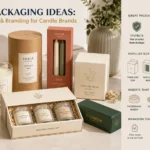
Many brands combine both: a printed SBS carton such as these printed folding cartons, closed with a branded seal sticker. Learn more about SBS paperboard packaging and compare boards in this guide to packaging material types.
How to Choose the Right Sticker Material
- Identify the surface: paper, cardboard, glass, smooth plastic, squeezable plastic, textured or curved.
- List the conditions: water, oil, condensation, freezing, heat, sunlight, chemicals or handling.
- Set the lifespan: days (promotions), months (product shelf life) or years (outdoor and equipment).
- Choose the face stock: paper for dry and short-life, BOPP for product labels, vinyl or polyester for outdoor and heavy use.
- Choose the adhesive: permanent, removable, high-tack, freezer or wash-off.
- Add protection: a laminate or varnish if the sticker will be handled, wiped or exposed to light.
- Pick the format: sheets for small runs and hand application, rolls for larger runs and machine application. This guide to sticker roll sizes explains core and roll options.
- Test a sample on the real product, in the real conditions, before ordering in volume.
Prepare print files with correct margins using the bleed and safe zone guide, and get layout ideas from these label design tips.
Common Sticker Material Mistakes
| Mistake | Fix |
|---|---|
| Paper labels on refrigerated or oily products | Use BOPP film with an all-temperature adhesive |
| Applying labels to cold or wet containers | Label clean, dry, room-temperature containers, or use a cold-application adhesive |
| Clear stickers without white ink | Add a white underprint behind colors and text |
| BOPP on tight compound curves | Use vinyl or a conformable PE film |
| Laminating labels that need handwriting | Use uncoated paper or leave a writable area |
| Standard adhesive on kraft bags or textured boxes | Use a high-tack adhesive |
| Assuming any label is food-safe | Ask for an FDA compliance statement for the adhesive |
| Ordering a full run without testing | Test samples on the real product and in real conditions |
Frequently Asked Questions
What is the best sticker material?
There is no single best. Vinyl is best for outdoor and heavy use, BOPP for product labels on jars and bottles, and paper for dry, indoor and low-cost labels.
What are the main sticker material options?
Paper (uncoated, gloss, kraft, textured), films (BOPP, PE, polyester), vinyl, clear films and specialty materials such as holographic, metallic, glitter and static cling.
Is vinyl or paper better for stickers?
Vinyl is waterproof, flexible and lasts outdoors. Paper is cheaper and writable but absorbs water and oil, so it suits dry, indoor and short-life uses.
What is BOPP sticker material?
Biaxially oriented polypropylene, a thin plastic film about 2 mil thick that resists water, oil and condensation. It is the standard material for jar, bottle and food labels.
What is the difference between BOPP and vinyl stickers?
BOPP is thinner and stiffer and is mainly used for product labels. Vinyl is thicker and more flexible, wraps curves better and lasts longer outdoors.
What is the best clear sticker material?
Clear BOPP for product labels, clear polyester for premium or heat-exposed uses, and clear vinyl for outdoor and window stickers.
Why do clear stickers need white ink?
Standard CMYK ink is translucent, so colors look faint on clear film. White ink printed behind the design keeps colors bright and readable.
What is the best food label material?
White BOPP film suits most food labels because it resists oil, moisture and condensation. Use freezer-grade film and adhesive for frozen foods.
Are sticker adhesives food-safe?
Label adhesives on food packaging are covered by 21 CFR 175.105, and adhesives on labels that touch food by 21 CFR 175.125. Ask your printer for a compliance statement.
What label material is best for jars?
White BOPP with a permanent adhesive suits most jars. Add a laminate for oily or sticky products and an all-temperature adhesive for refrigerated jars.
Can paper stickers be waterproof?
Not fully. A laminate or varnish makes paper water-resistant to splashes and wiping, but paper still fails when soaked or kept in condensation.
How long do vinyl stickers last outdoors?
Calendered vinyl is usually rated for 1 to 7 years outdoors and many cast vinyls for 7 years or more. A matching laminate helps them last.
What sticker material works in the freezer?
Freezer-grade polypropylene film with a freezer or all-temperature adhesive. Apply it before freezing where possible.
Is SBS a sticker material?
No. SBS is a white paperboard used for folding cartons, sleeves and tags. It has no adhesive, so it is used for boxes, while stickers seal and label them.
What sticker material is best for squeeze bottles?
A conformable film such as PE or a squeezable BOPP, which flexes with the bottle instead of wrinkling or lifting.
Which sticker material is most eco-friendly?
Paper and kraft labels on recycled fiber are the simplest choice for dry products. Avoid heavy laminates and metallic films if recyclability matters most.
Final Takeaway
The right sticker material comes from the product, not the price list. Start with the surface and conditions, then choose the face stock (paper, BOPP, vinyl, polyester or clear film), the adhesive and the finish together. Use BOPP and the right adhesive for jars and food, vinyl for anything outdoors, and paper for dry, short-life labels, and test samples before a full run.
Planning labels or stickers for your products and packaging? BoxNovo prints them to match your boxes. Explore more custom packaging stickers or request a label quote to get started.
Sources
- 4OVER4: sticker materials and which one to use
- 4OVER4: BOPP vs vinyl stickers
- PRINTING United Alliance: cast vs calendered vinyl
- LabelValue: polypropylene (BOPP) label guide
- LabelValue: labels for squeezable bottles
- Consolidated Label: labels for frozen products
- 3M: white polypropylene freezer label material data sheet
- Weber Marking: wash-off adhesive
- 21 CFR Part 175: indirect food additives, adhesives (including 175.105)
- 21 CFR 175.125: pressure-sensitive adhesives
- Packaging Strategies: folding carton substrates (SBS)
- Lamitech: paperboard caliper in points