What Is Custom Packaging?
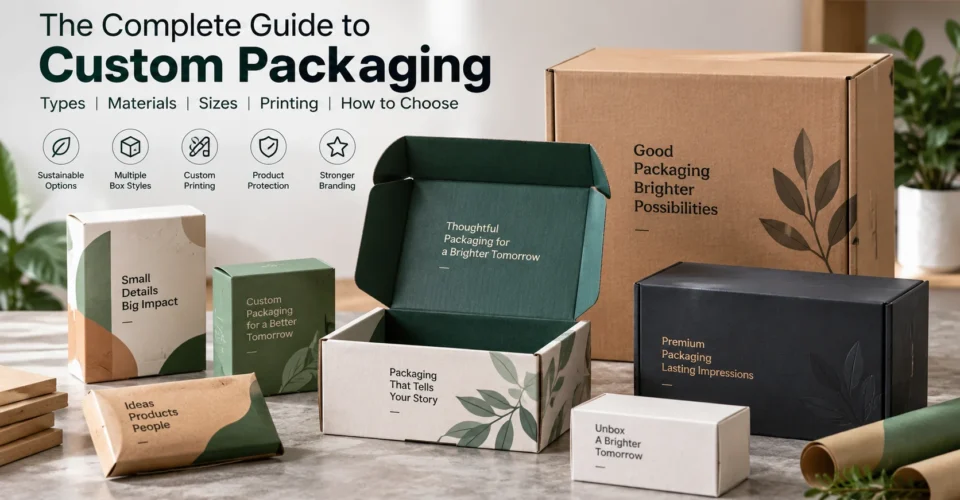
Custom packaging is packaging manufactured or converted to specified requirements for a product or brand. Those requirements can include dimensions, box style, material, printing, finish, closure, insert and other structural details.
Unlike a standard stock box, a custom package is designed around the product and intended use. That does not automatically make it better or more expensive; it means the specification can be tailored to the job the package must perform.
Why Custom Packaging Matters
| Packaging Goal | What the Package Needs to Accomplish |
|---|---|
| Product fit | Hold the packed product securely without relying on unnecessary empty space. |
| Protection | Match structure and material to the product’s weight, fragility and handling environment. |
| Brand presentation | Use structure, graphics, print and finish consistently with the brand. |
| Retail presentation | Make the product and key information easy to understand on a shelf or display. |
| E-commerce | Balance protection, packing efficiency, opening experience and shipping dimensions. |
| Operational consistency | Create a repeatable specification for packing, reorders and quality checks. |
A useful way to think about custom packaging is as three connected decisions: structure, materials and graphics. The right balance depends on the product, sales channel, protection requirements and intended customer experience.
Start With the Product, Not the Box
Before selecting a box style, define the product and its actual packed configuration.
- What is the product’s maximum length, width and height when ready to be packed?
- What is its weight?
- Is it fragile, sharp-edged, liquid, oily, easily scratched or otherwise sensitive?
- Will it be sold in a retail environment, shipped directly to customers, or both?
- Will the package contain an insert, sleeve, pouch, bottle, accessory or multiple components?
- Does the customer need to open and close the package repeatedly?
Measure the configuration that will actually go inside the box. If a fitted insert or protective component is part of the package, its space must be considered before finalizing the internal dimensions.
The Main Types of Custom Packaging
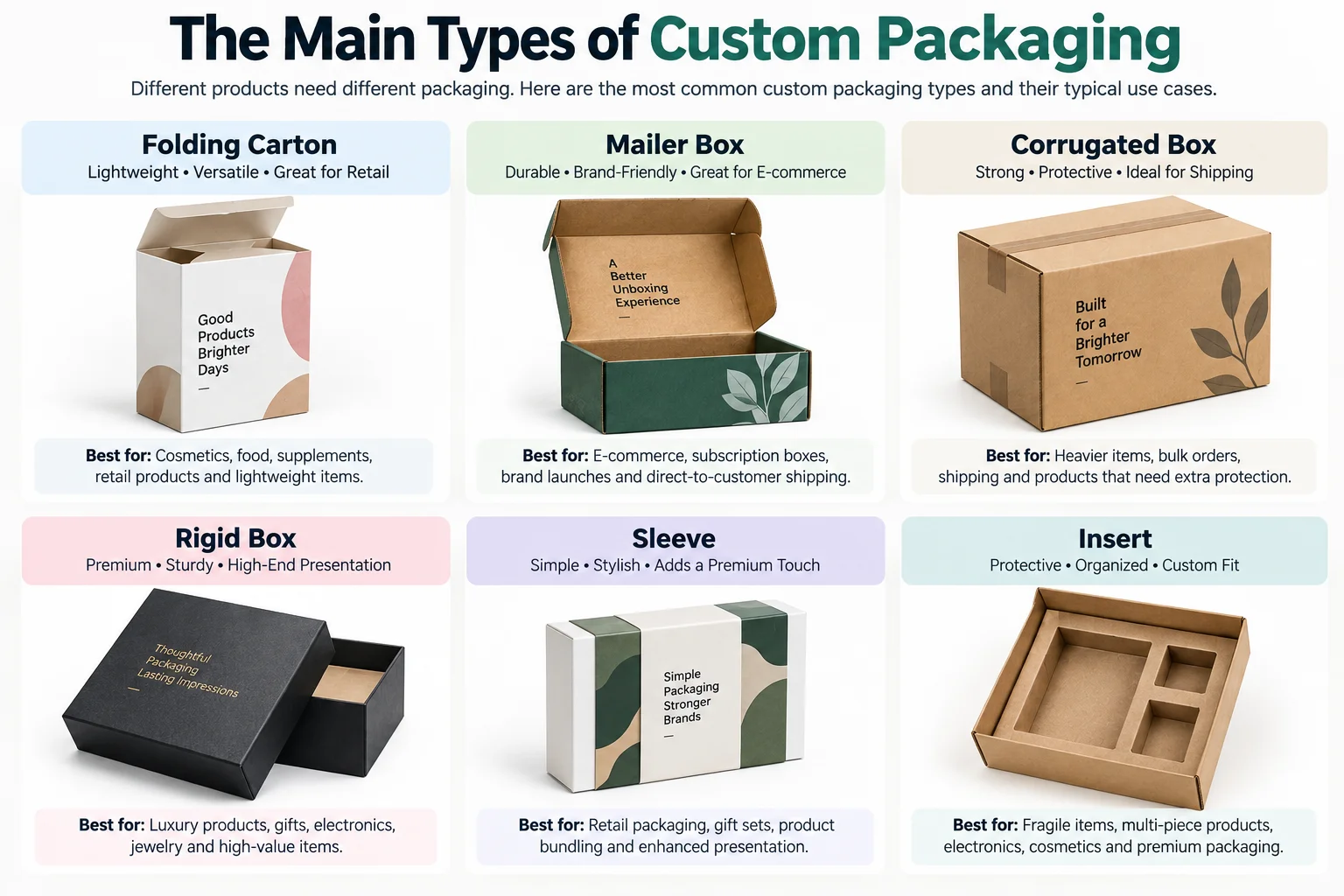
| Packaging Type | Common Applications | Main Decision |
|---|---|---|
| Folding cartons / paperboard boxes | Retail, cosmetics, food and many lightweight consumer products | Balance print presentation, board specification and folding structure. |
| Mailer boxes | E-commerce, subscriptions and direct-to-consumer orders | Prioritize fit, closure, packing speed and shipping use. |
| Corrugated boxes | Shipping, fulfillment and heavier or more demanding products | Match construction to weight, handling and distribution requirements. |
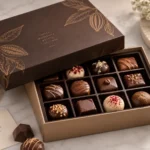
| Rigid boxes | Premium gifts, luxury presentation and selected electronics/products | Use when substantial structure and presentation are part of the package experience. |
| Sleeves | Soap, boxes, bottles, gifts and retail presentation | Add branded presentation around another package or product. |
| Display / hanging boxes | Retail displays and point-of-sale applications | Consider both presentation and how the package will be accessed or displayed. |
| Inserts and trays | Fragile, multi-part or presentation-focused products | Hold components in position and organize the package interior. |
How to Choose the Right Packaging Material
There is no single material that is best for every custom packaging project. Material selection should follow the product, structure, handling requirements, print needs and intended presentation.
| Material / Construction | Often Used For | Key Consideration |
|---|---|---|
| Paperboard | Printed folding cartons and retail packaging | Good fit for many lightweight products and presentation-focused applications; board specification still matters. |
| Corrugated board | Shipping and fulfillment packaging | Useful when the package needs more structural protection during handling and transit. |
| Rigid board | Premium presentation boxes | Provides substantial structure and presentation; the package may require more material and construction. |
| Kraft paper/board | Natural-looking printed or uncoated packaging | Substrate color and surface can affect the appearance of printed artwork. |
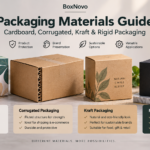
For a closer look at material choices, review BoxNovo’s packaging materials and construction options before deciding on the final specification.
For folding cartons and retail applications, cardboard packaging options can be compared based on the product, structure and presentation requirements.
Do not select a material from its name alone. The finished package depends on its construction, dimensions, board specification, closure and intended use.
How to Choose Custom Box Dimensions
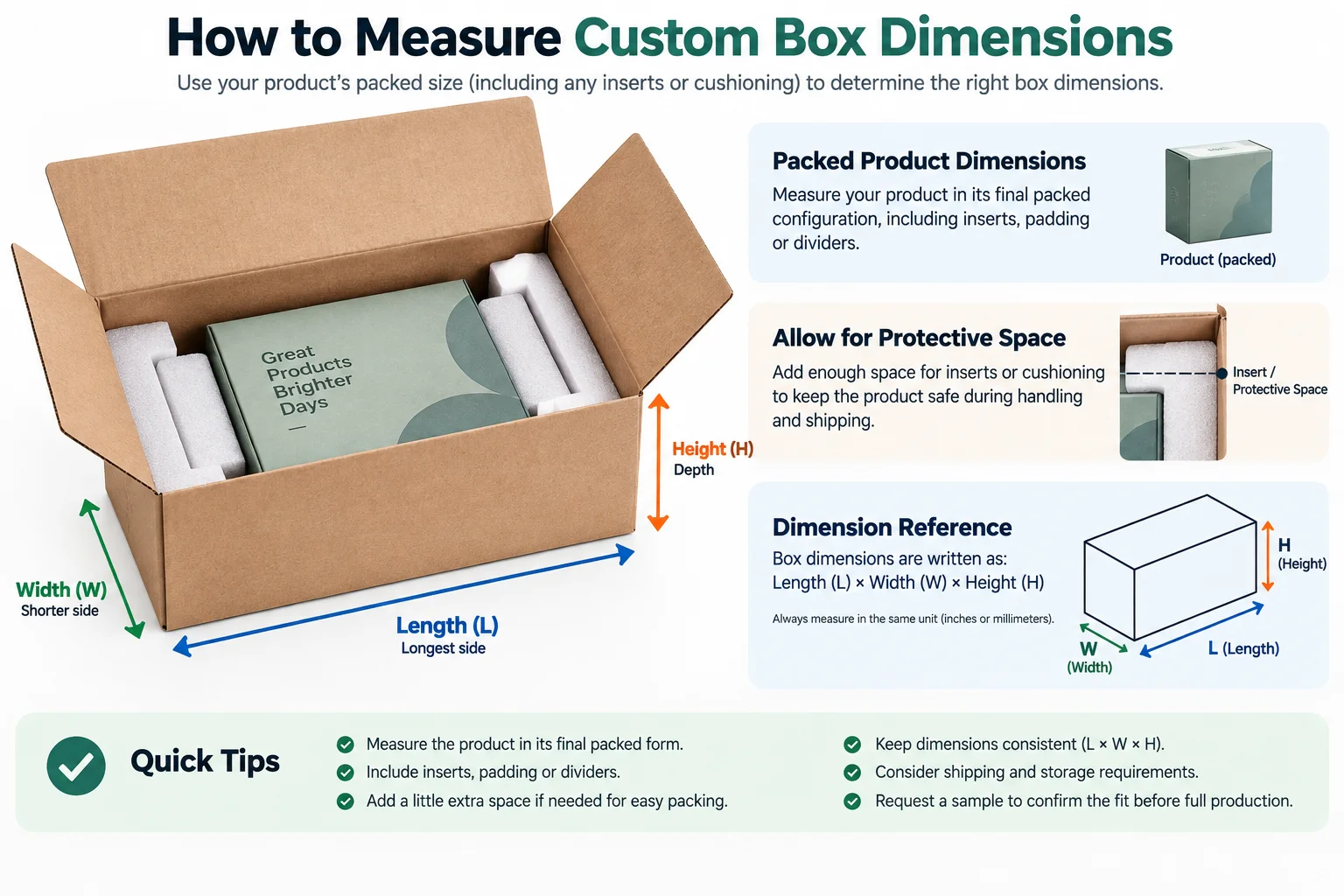
Dimensions are commonly described as length × width × height/depth, but the exact convention should be confirmed with the packaging supplier. The critical question is whether the quoted dimensions refer to the inside or outside of the finished package.
For a first specification, record the packed product’s maximum length, width and height. Then account for inserts, protective components and the way the product must be positioned. Do not assume a stock box template will fit simply because the listed dimensions look close.
For unusually shaped products, multiple components or fitted inserts, a structural sample or mock-up can help verify the physical fit before a larger production run.
A useful rule is: confirm the supplier’s dimension convention and dieline before final artwork is prepared.
Packaging Design: Structure, Graphics and Information
Packaging design is not only the artwork. The physical structure, material and graphics have to work together. The design also needs to leave room for any product information required for the product and market in which it is sold. For regulated products, requirements can vary by jurisdiction and product category, so the responsible business should verify applicable rules before printing.
Prepare Artwork Around the Final Dieline
- Confirm the final structural dieline before placing final artwork.
- Keep important text, logos and graphics inside the supplier’s safe areas and away from cut, fold and glue zones.
- Follow the printer’s requirements for bleed, color, resolution and file format.
- Review every visible panel rather than designing only the front.
- Check whether the inside of the package needs branding, instructions, a thank-you message or other content.
Packaging pre-press is a quality-control stage, not simply a file-export step. Check color, bleed, safe areas, dielines, resolution and file requirements before production and use a proof or sample where appropriate.
Printing and Finishing Options
Printing communicates the brand, product information and visual hierarchy. Finishing can then reinforce the intended look or tactile experience.
- Printed graphics and color: establish brand identity and product communication.
- Coatings: can change the visual and tactile character of a printed surface.
- Foil effects: can create a metallic or accent effect when appropriate to the structure and print process.
- Embossing/debossing: adds a physical dimensional effect to selected artwork.
- Windows: can allow the product or a visual element to be seen, where the structure permits.
- Special closures: can change both functionality and the opening experience.
Solve the structural and printing requirements first. Add finishing when it serves a clear visual, tactile or functional purpose.
Packaging Inserts: When Are They Useful?
An insert is useful when the product needs positioning, separation, organization or additional presentation. Examples include fitted trays for sets, compartments for multiple products, supports for fragile items and holders for accessories.
Design the insert together with the outer box. An insert changes the usable internal space, so it should not be treated as an afterthought.
For premium presentation where the interior layout is part of the package, structured rigid packaging with a fitted insert is one relevant solution to evaluate.
E-Commerce vs. Retail Packaging
| Consideration | E-Commerce | Retail |
|---|---|---|
| Primary focus | Protection, packing efficiency, shipping and opening experience | Shelf presentation, product information and visibility |
| Common formats | Mailer boxes, corrugated shipping boxes and inserts | Folding cartons, display boxes, sleeves and rigid boxes |
| Design priority | Fit, closure, handling and practical opening | Visual hierarchy, information, structure and display |
| Common mistake | Using much more package volume than the product needs | Choosing appearance before confirming fit and structure |
The sales channel changes the job of the package. Ecommerce packaging has to survive fulfillment and shipping while still creating a coherent branded experience; for direct-to-customer orders, branded mailer-style packaging can be a practical format to consider. Retail packaging has to communicate quickly and work in a display environment.
For shipping-focused applications, corrugated packaging for transit and fulfillment is another material option to evaluate alongside the product’s weight, handling requirements and distribution environment.
Branded Packaging and the Unboxing Experience
Branding can appear on the outside of a shipping package, on the product box, inside the package or through inserts and printed messages. The right level of branding depends on the product and customer experience.
- Keep the brand recognizable without allowing graphics to interfere with required labels or carrier information.
- Use interior surfaces when the opening moment is part of the intended experience.
- Use inserts for useful content such as care instructions, product guidance or a concise thank-you message.
- Keep every added component purposeful; extra material that does not help the customer can add cost and packing work.
For ecommerce brands, packaging can be one of the few physical brand touchpoints a customer experiences after ordering online, which is why structure, opening and presentation deserve consideration alongside protection. For products that need a stronger shipping-focused outer package, corrugated packaging for fulfillment can be another relevant option.
How Packaging Cost Is Determined
There is no reliable universal price for custom packaging. A project quote can depend on dimensions, material, structure, print coverage, finishing, inserts, tooling or die requirements, quantity, packing requirements and shipping.
| Cost Driver | Why It Can Affect a Quote |
|---|---|
| Dimensions | Larger or more complex structures can require more material or production work. |
| Material / board specification | Different constructions and specifications have different material and production requirements. |
| Structure | More complex folds, closures or multi-part construction can add production steps. |
| Printing | Coverage, colors and process requirements can affect production. |
| Finishing | Additional effects can add materials, setup or production steps. |
| Quantity | Production setup and run economics can change with order quantity. |
| Inserts / components | Additional pieces add material, converting and assembly considerations. |
| Shipping / packing | Finished package dimensions and packing requirements affect delivery considerations. |
When comparing supplier quotes, compare equivalent specifications—not just the unit price.
Why Sampling and Proofing Matter
A proof or sample gives you a chance to check the physical result before a larger production run. Depending on the project, review:
- Product fit and internal clearance
- Box structure and rigidity
- Opening and closing
- Artwork placement
- Color expectations
- Insert positioning
- Barcode or small-text readability where relevant
- Packing and unpacking time
For complex, high-value or tightly fitted packaging, sampling is a practical quality-control step rather than a cosmetic extra.
What to Send a Packaging Supplier for a Quote
| Specification | What to Provide |
|---|---|
| Product | Product name and short description. |
| Packed dimensions | Maximum length, width and height of the configuration that will be packaged. |
| Weight | Product or packed weight when available. |
| Box style | Preferred structure, if known. |
| Material | Preferred material or performance requirement, if known. |
| Quantity | Estimated order quantity. |
| Artwork | Logo, artwork or branding requirements. |
| Print / finish | Print coverage, finish and special-effect requirements. |
| Components | Insert, window, sleeve, closure or other requirements. |
| Use case | Retail, ecommerce, gifting, shipping, subscription, etc. |
| Delivery | Destination and target timing. |
Having these details ready makes it easier to compare packaging options and prepare a more complete project specification.
Common Custom Packaging Mistakes
- Measuring the bare product instead of the actual packed configuration.
- Choosing a box style before defining how the package will be used.
- Selecting material only for appearance instead of product and handling requirements.
- Preparing final artwork before the structural dieline is confirmed.
- Skipping a sample when fit, structure or artwork needs physical verification.
- Comparing quotes built from different specifications.
- Adding finishing that does not serve a clear purpose.
- Forgetting inserts, accessories or protective components when calculating internal space.
- Treating a packaging design as finished before testing how it packs, opens and ships.
A Practical Custom Packaging Decision Framework
- Define the job: protection, retail display, shipping, gifting, branding or a combination.
- Define the packed product: record dimensions, weight and all components that must fit.
- Choose the structure: select the packaging format that matches the use case.
- Choose the material: balance protection, structure, print and presentation.
- Confirm dimensions: agree on the supplier’s internal/external dimension convention.
- Confirm the dieline: use the approved structural template for artwork.
- Prepare artwork: follow safe areas, bleed, color and file requirements.
- Select finishing: use special effects only where they support the package.
- Sample and approve: verify fit, structure, print and opening.
- Confirm quantity and delivery: make sure the final quote matches the approved specification.
If you are comparing different structural approaches, BoxNovo’s packaging styles and box formats provide another useful starting point before finalizing the design.
Custom Packaging for Different Product Categories
| Product / Application | Common Packaging Considerations |
|---|---|
| Cosmetics | Presentation, product fit, inserts for sets, printed information and finish. |
| Food | Product protection and applicable labeling/food-contact requirements must be considered for the specific product and market. |
| Soap / personal care | Compact fit, sleeves or cartons, branding and clear product presentation. |
| Gifts | Presentation, opening experience, inserts and premium structure where appropriate. |
| Retail products | Shelf visibility, information hierarchy, stacking/display and consistent branding. |
| E-commerce products | Transit protection, efficient dimensions, closure, packing speed and unboxing. |
The packaging format should follow the product and channel rather than the other way around. For soap and personal-care products, purpose-built soap packaging is a useful example of matching the package to the product category.
How BoxNovo Fits Into the Packaging Process
BoxNovo’s current site is organized around custom packaging and box solutions, including custom sizes and styles, materials, printing and finishing. The site’s product and navigation structure includes cardboard, corrugated, kraft and rigid packaging, along with mailer, seal-end, reverse-tuck, straight-tuck, roll-end tuck-front, sleeve, display and die-cut formats.
For a packaging project, the useful next step is to prepare the product dimensions, quantity, preferred structure if known, artwork requirements and any inserts or finishing needs. If you are not sure which structure or material fits the product, provide the product and use-case details so the packaging requirement can be evaluated before the final specification is selected.
Custom Packaging Quote Checklist
- ☐ Product name and description
- ☐ Packed length × width × height
- ☐ Product/packed weight
- ☐ Desired box style
- ☐ Material or performance requirement
- ☐ Quantity
- ☐ Artwork/logo
- ☐ Printing requirements
- ☐ Finish
- ☐ Insert, sleeve, window or closure
- ☐ Retail/ecommerce/shipping use case
- ☐ Delivery destination and timing
- ☐ Sample/proof requirement
Frequently Asked Questions About Custom Packaging
What Is Custom Packaging?
Custom packaging is packaging made to specified product or brand requirements, such as dimensions, structure, material, printing, finishing and inserts.
How Do I Choose the Right Custom Box?
Start with the product’s packed dimensions, weight, handling and sales channel. Then choose a structure and material that meet those requirements.
How Should I Measure a Product for a Custom Box?
Measure the product in the configuration that will actually be packaged, including components that take up internal space. Confirm whether your supplier specifies internal or external dimensions.
What Material Is Best for Custom Packaging?
There is no universal best material. Paperboard, corrugated and rigid constructions serve different packaging requirements, so select based on product, protection, presentation and distribution.
Do Custom Boxes Have Standard Sizes?
Stock boxes have common sizes, but custom boxes can be specified to the dimensions required by the product. Do not assume a standard size is the right fit.
Do I Need a Sample Before Ordering Custom Packaging?
For complex, high-value or tightly fitted packaging, a sample or proof is useful for checking fit, structure, artwork and opening before larger production.
What Affects the Cost of Custom Packaging?
Size, material, structure, quantity, printing, finishing, inserts, tooling and shipping/packing requirements can all affect the quote.
Can Custom Packaging Be Used for Ecommerce?
Yes. Mailer and corrugated formats are commonly used for ecommerce fulfillment, with protection, fit, packing efficiency and branded opening considered together.
What Should I Send When Requesting a Custom Packaging Quote?
Send product details, packed dimensions, weight when available, quantity, preferred style if known, material requirements, artwork/branding, print and finish needs, inserts/components and delivery requirements.
Should I Prepare Artwork Before Getting the Box Dieline?
Do not finalize artwork on an unapproved structural template. Confirm the final dieline and supplier artwork requirements first.
What Is a Packaging Insert?
An insert is an internal packaging component used to position, separate, protect or present a product or its accessories.
How Can I Avoid Choosing the Wrong Box Size?
Measure the actual packed configuration, account for inserts and protective components, confirm the dimension convention, and verify the physical result with a sample when the fit is important.
Conclusion
The strongest custom packaging decisions start with the product, not the artwork. Define the packed dimensions, protection requirements, sales channel and operational needs first. Then choose the box structure, material, printing, finishing and inserts that support those requirements.
A clear specification makes quoting easier, reduces avoidable production problems and gives you a better basis for comparing packaging options. When fit or structure is critical, a sample or proof adds another useful quality-control step.
When you are ready to move from packaging planning to a project specification, prepare the checklist above and request a BoxNovo packaging quote with your dimensions, quantity, preferred style and design requirements.